Onion prices: Govt extends relaxed fumigation norms for imports to Dec 31
Traders who have imported onions without fumigation or having endorsement of such treatment on phytosanitary certificate will be allowed to fumigate in India through an accredited treatment provider
Press Trust of India New Delhi The Agriculture Ministry on Wednesday extended relaxed fumigation norms for imported onions up to December 31, in a bid to improve domestic supply and check prices that have skyrocketed up to Rs 100 per kg.
On November 6, the ministry had liberalised fumigation provisions under the Plant Quarantine (PQ) Order, 2003 till November 30 to facilitate import of the key kitchen staple from Afghanistan, Egypt, Turkey and Iran to boost availability and check price rise.
In its latest order, the ministry has extended these relaxed provisions till December 31 for onion imports with some conditions.
Traders who have imported onions without fumigation or having endorsement of such treatment on phytosanitary certificate (PSC) will be allowed to fumigate in India through an accredited treatment provider, it said.
The consignment will be inspected thoroughly by quarantine officials and released only if found free from pests and diseases of concern to India, it said.
Also, such consignments of onions will not be subjected to the four times additional inspection fees on account of non-compliance of conditions under the 2003 PQ Order, it added.
Currently, imported onions are allowed in the country after the commodity is fumigated with methyl bromide and certified by the exporting nation. Importers are required to pay huge charges if found in non-compliance with this provision.
As onion prices fail to cool down, the government has decided to increase the availability through import of about 1 lakh tonnes of onion through public trading company MMTC, which has already floated tender for about 4,000 tonnes of imports.
The government is facilitating private imports as well.
Private traders have informed the government that they have placed order for import of 2,400 tonnes of onion which would reach India by month-end. Another 2,600 tonnes will be contracted for arrival in December, sources said.
Retail prices of onion in the country have remained high for more than a month due to 30-40 per cent decline in kharif onion output because of heavy rains in growing states.
The prices have been under pressure despite government measures, including offloading the buffer stock for retailing at a cheaper rate, ban on exports and imposition of stock holding limits on traders.

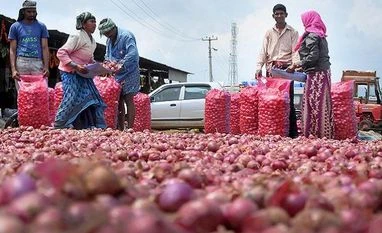 "Onion prices: Govt extends relaxed fumigation norms for imports to Dec 31")


