A free trade agreement (FTA) between India and the European Union (EU) would require “compromises” by all sides, German Chancellor Angela Merkel said on Tuesday as Prime Minister Narendra Modi sought her help for an early conclusion of a “balanced and mutually beneficial” deal, stalled for two years.
“Development of India as a manufacturing hub and expansion of infrastructure of India would be beneficial for trade. Our imports would also grow. And, it is natural that German companies would benefit a lot from it. In this context, I would also like to state that negotiations between India and the EU on a Broad-based Trade and Investment Agreement (BTIA) have remained stalled for two years,” the PM said.
Speaking alongside Modi, Merkel said, “We have decided talks should continue between India and the EU. We have come a long way and it would be desirable if we crossed the hurdle. It will require compromises by all sides. India’s concerns will also require to be addressed,” Merkel said.
Launched in June 2007, negotiations for the proposed BTIA between India and the 28-member European bloc have witnessed many hurdles as both the sides have major differences on crucial issues.
The two sides are yet to iron out issues related to rates and movement of professionals but the EU has shown an inclination to restart talks.
In May, 2013, both sides failed to bridge substantial gaps on crucial issues, including data security status for the information technology (IT) sector.
Besides demanding significant duty cuts in automobiles, the EU wants tax reduction in wines, spirits and dairy products, and a strong intellectual property regime.
On the other hand, India is asking for granting ‘data secure nation’ status to it by the EU. The country is among nations not considered data secure by the EU.
The matter is crucial as it will have a bearing on Indian IT companies wanting market access.
The EU law mandates European countries doing outsourcing business with countries that are not certified as data secure have to follow stringent contractual obligations which increases operating costs and affects competitiveness.
India also wants liberal visa norms for its professionals and market access in services and pharmaceuticals sector.
The two-way commerce stood at $101.5 billion in 2013-14. It was $57.25 billion during April-October last financial year.

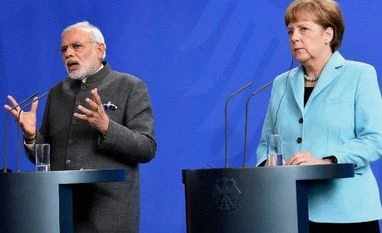 "India-EU FTA would require compromises by all sides: Merkel")


 Connect with us on WhatsApp