
Sri Lanka President Sirisena ends emergency as ethnic tensions subside
The communal violence was triggered by the death of a Sinhalese man at the hands of a mob
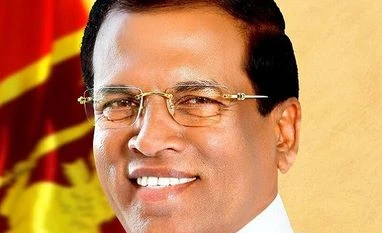 "Sri Lanka President Sirisena ends emergency as ethnic tensions subside")
WebinarsNew
Deep DiveNew
Explore Business Standard
The communal violence was triggered by the death of a Sinhalese man at the hands of a mob
Sri Lanka's President Maithripala Sirisena on Sunday lifted a nationwide state of emergency imposed on March 6 for the first time since the civil war following days of communal violence between majority Sinhala Buddhists and minority Muslims in the country.
President Sirisena, who returned to Sri Lanka last night from an official visit to India and Japan, removed the state of emergency as the situation in the country returned to normal.
"Upon assessing the public safety situation, I instructed to revoke the State of Emergency from midnight yesterday, he twitted on Sunday.
The government imposed a state of emergency on March 6 and blocked Facebook, WhatsApp and other social media sites following anti-Muslim violence in the island's central hills Kandy and Ampara districts in which three people were killed and hundreds of Muslim-owned properties, including mosques, were damaged.
Facing flak from the Opposition for not lifting the blockage on social media despite improvement in the situation, the government lifted the ban on Facebook on March 15 after officials from the US social media giant agreed to step up efforts to remove hate speech posted on its platform during the anti-Muslim violence.
The communal violence was triggered by the death of a Sinhalese man at the hands of a mob.
The government had deployed thousands of troops to restore peace and protect the minority Muslims and their property.
"The President decided to revoke the order in view of the improved security situation," a presidential official said.
The police arrested more than 200 people for violence against Muslims.
It was the first time in seven years Sri Lanka had imposed the measure. The country was under a state of emergency for nearly three decades when the government fought Tamil rebels LTTE in the civil war that ended in 2009.
Violence has risen in the Buddhist-majority country since 2012, with some hardline Buddhist groups accusing Muslims of forcing people to convert to Islam and vandalising Buddhist archaeological sites.
First Published: Mar 18 2018 | 2:01 PM IST

