Captains of industry, corporations and business groups distanced themselves from the White House on Friday, as many expressed frustration with President Donald Trump's decision to withdraw from the Paris climate accord.
The reactions from across the business world -- including oil producers, the tech sector and finance -- stood apart from Trump's portrayal of the decision as a needed corrective to rules that could stymie commerce. Disney chief Robert Iger followed suit, saying he was resigning from the panels "as a matter of principle."
Other tech and industrial sector representatives expressed frustration with the White House's decision and pledged to continue working to combat global warming.
"Disappointed with today's decision on the Paris Agreement," Jeff Immelt, CEO of General Electric, wrote on Twitter. "Industry must now lead and not depend on government." The Information Technology Industry Council was equally scathing.
"This is clearly disappointing, and a setback for America's leadership in the world," ITI President Dean Garfield said in a statement.
"Despite this, the tech industry's determination to innovate and problem-solve for the threats posed by climate change and generate clean energy opportunities that create jobs and grow our economy remains unchanged."
In his first ever tweet, Goldman Sachs CEO Lloyd Blankfein called the decision a "setback" for the environment and for US global leadership.
The statement created clashing appearances, with several former Goldman bankers having taken on important roles in the administration, including former Chief Operating Officer Gary Cohn, who was present for Trump's announcement in the White House Rose Garden.
Oil supermajors ExxonMobil and Chevron reiterated their support for the endangered agreement, while automaker General Motors said the White House's decision would not lessen its resolve on the climate.
"GM will not waver from our commitment to the environment and our position on climate change has not changed," the company said in a statement.
"International agreements aside, we remain committed to creating a better environment."
Chevron spokeswoman Melissa Ritchie said her company "supports continuing with the Paris Agreement as it offers a first step towards a global framework."
The accord aligns with the company's own policy on carbon emissions, she said.
An Exxon spokesman said the 2015 accord was "critical" given the rising emissions from India and China.
"It's the first major international accord to address climate change that includes emissions reduction pledges from both developed and developing economies," he told AFP.
"We believe that the United States is well positioned to compete within the framework of the Paris agreement."
The US Chamber of Commerce, a business lobby that had long criticized the prior Obama administration's energy policies, said had it had not taken a position on the Paris Agreement but favored policies that both promoted energy production and protected the environment.
"America should choose a path for an energy future that is achievable, affordable and most importantly meaningful," the organisation said in a statement.

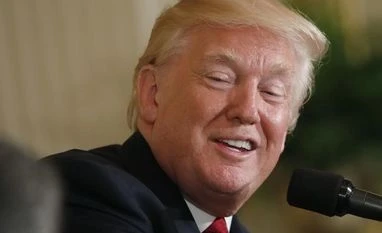 "Post-Trump withdrawal from Paris deal, business ties seem strained")


 Connect with us on WhatsApp