PM Modi leaves for Japan; civil nuke deal talks on agenda
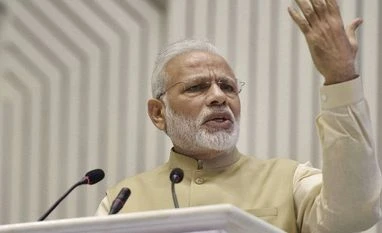
Minister Narendra Modi on Thursday embarked on a three-day visit to Japan
Press Trust of India New Delhi Prime Minister Narendra Modi on Thursday embarked on a three-day visit to Japan during which the two countries are expected to sign a civil nuclear deal besides discussing ways to step up cooperation in areas like trade, investment and security.
In his second visit to Japan as Prime Minister, Modi will be holding the annual Summit meeting with his counterpart Shinzo Abe and have an audience with the Emperor of Japan in Tokyo.
"An eastward sojourn begins, this time for the Annual Summit with Japan. PM departs for Tokyo," External Affairs Ministry spokesperson Vikas Swarup said on twitter this morning.
From Tokyo, Modi, accompanied by Abe, will travel to Kobe by the famed Shinkansen bullet train, the technology that will be deployed for the Mumbai-Ahmedabad High Speed Railway.
He will visit the Kawasaki Heavy Industries facility in Kobe, where high speed railway is manufactured.
"I will have a detailed interaction with top business leaders from India and Japan, to look for ways to further strengthen our trade and investment ties," Modi said in a statement on Wednesday.
The PM said he looks forward to reviewing the entire spectrum of bilateral cooperation when he meets Abe in Tokyo tomorrow.
"Our partnership with Japan is characterized as a Special Strategic and Global Partnership. India and Japan see each other through a prism of shared Buddhist heritage, democratic values, and commitment to an open, inclusive and rules-based global order," he added.
During the visit, the two countries are expected to sign civil nuclear cooperation agreement. The two countries had sealed a broad agreement during Abe's visit here last December but the final deal was yet to be signed as certain technical and legal issues were to be thrashed out.
Both the countries have completed the internal procedures including legal and technical aspects of the text of the pact, External Affairs Ministry spokesperson Vikas Swarup said last week.
Negotiations for the nuclear deal between the two countries have been going on for a number of years but the progress on these was halted because of political resistance in Japan after the 2011 disaster at the Fukushima Nuclear Power Plant.

 "PM Modi leaves for Japan; civil nuke deal talks on agenda")


 Connect with us on WhatsApp