Probe begins to find cause of heavy water leak at Kakrapar
The radiation levels inside the plant and in the nearby areas are being regularly monitored
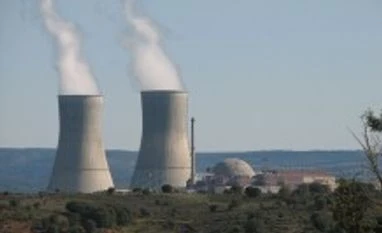
Press Trust of India Ahmedabad A day after one of the units of Kakrapar Atomic Power Station (KAPS) near Surat in Gujarat was shut down after heavy water leakage, a team of experts Saturday began a probe to identify the cause of the even as officials reaffirmed that there was no radioactive release at the site.
Two experts from the Atomic Energy Regulatory Board (AERB) are at the site to assist KAPS officials in the probe.
The experts have been deputed for an independent assessment of the situation at the affected plant, which continues to remain shut for the second day today after the leakage.
One of the two 220 MW units of KAPS was shut down after leakage of heavy water, which is used for cooling off the nuclear reactor core, reported around 9 am Friday. A temporary site emergency was also declared as a measure of safety, although the officials said that there was no radioactive leak and all the workers were safe.
"We have carried out a thorough radiation survey and there is no change in radiation level at the plant and into public domain (outside the plant) as of today. There is no increase in radiation level. This confirms no radioactive release," site director KAPS, Lalit K jain, told PTI.
"Now that we are assured on the front of containing the leakage, our focus will be on identifying the cause of the leakage. The plant remains totally shut down, and further normalisation of the plant is currently being carried out, with two experts from AERB assisting us," Jain said.
The radiation levels inside the plant and in the nearby areas are being regularly monitored, he said.
In July last year, another unit (Unit II) of the power station had been shut down due to maintenance issue. KAPS 1 and 2 consist of two units of pressurised heavy water reactors of 220 MW each.
The AERB had yesterday clarified that all the safety
functions of the reactor were working satisfactorily and there has not been any "abnormal release" of radioactivity outside the plant or radiation exposures as a result of the incident.
The KAPS, located on the border of Surat and Tapi districts near Vyara town of Tapi, is run by Nuclear Power Corporation of India Ltd (NPCIL).
According to KAPS website, the power station has two generation units of Pressurised Heavy Water Reactors (PHWR) that were commissioned in early 90s.
Yesterday's incident has led to an alarm in nearby areas with the district administration in Surat, where the plant is located, and neighbouring Tapi district swung into action and sought details from plant officials after learning about the leakage.
This is the second incident when the KAPS had to declare "site emergency".
The first such emergency situation was declared in June 1994 when evacuation situation arose after flood water entered the condenser pit and turbine building basement, affecting the plant.

 "Probe begins to find cause of heavy water leak at Kakrapar")


