UN experts say North Korea is continuing to evade UN sanctions, using airlines, ships, and the international financial system to trade in prohibited items for its nuclear and ballistic missile programs, raising important questions about the sanctions regime.
The experts monitoring sanctions against the North say Pyongyang also continues to export ballistic missile-related items to West Asia and trade in arms and related materials to Africa.
A summary of the expert panel's report, obtained by The Associated Press, says one reason North Korea is able to keep evading sanctions is "the low level of implementation" of the four UN sanctions resolutions adopted since the country's first nuclear test in 2006by the 193 UN member states.
The panel said the reasons for non-implementation are diverse including "lack of political will," inadequate national legislation, lack of understanding of the Security Council resolutions, and "low prioritisation." The report and its conclusions "raise important questions about the overall efficacy of the sanctions regime," it said.
The report was sent to the Security Council, where the United States and China have been working on the text of a new sanctions resolution since North Korea's latest nuclear test on January 6.
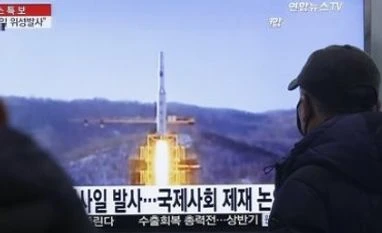
The council pledged to adopt "significant new measures" at an emergency meeting on Sunday after North Korea launched a long-range rocket that world leaders denounced as another "intolerable provocation" and called a banned test of dangerous ballistic missile technology.
The United States, backed by its Western allies, Japan and South Korea, want new tough sanctions that would impact North Korea's ability to do business. But diplomats say China, the North's ally and key protector in the Security Council, is reluctant to impose economic measures that could cause North Korea's economy to collapse.
The experts' summary said Pyongyang conceals illicit activities by embedding agents in foreign companies and using diplomatic personnel, longstanding trade partners, and relationships with a small number of trusted foreign nationals.
The experts said North Korea's Ocean Maritime Management Company, "continues to operate through foreign-flagged vessels, name and company re-registrations, and the rental of crews to foreign ships," despite being on the UN sanctions blacklist since July 2014.UN experts say North Korea is continuing to evade UN sanctions, using airlines, ships, and the international financial system to trade in prohibited items for its nuclear and ballistic missile programs, raising important questions about the sanctions regime.
The experts monitoring sanctions against the North say Pyongyang also continues to export ballistic missile-related items to West Asia and trade in arms and related materials to Africa.
A summary of the expert panel's report, obtained by The Associated Press, says one reason North Korea is able to keep evading sanctions is "the low level of implementation" of the four UN sanctions resolutions adopted since the country's first nuclear test in 2006by the 193 UN member states.
The panel said the reasons for non-implementation are diverse including "lack of political will," inadequate national legislation, lack of understanding of the Security Council resolutions, and "low prioritisation." The report and its conclusions "raise important questions about the overall efficacy of the sanctions regime," it said.
The report was sent to the Security Council, where the United States and China have been working on the text of a new sanctions resolution since North Korea's latest nuclear test on January 6.
The council pledged to adopt "significant new measures" at an emergency meeting on Sunday after North Korea launched a long-range rocket that world leaders denounced as another "intolerable provocation" and called a banned test of dangerous ballistic missile technology.
The United States, backed by its Western allies, Japan and South Korea, want new tough sanctions that would impact North Korea's ability to do business. But diplomats say China, the North's ally and key protector in the Security Council, is reluctant to impose economic measures that could cause North Korea's economy to collapse.
The experts' summary said Pyongyang conceals illicit activities by embedding agents in foreign companies and using diplomatic personnel, longstanding trade partners, and relationships with a small number of trusted foreign nationals.
The experts said North Korea's Ocean Maritime Management Company, "continues to operate through foreign-flagged vessels, name and company re-registrations, and the rental of crews to foreign ships," despite being on the UN sanctions blacklist since July 2014.

 "North Korea continues to evade UN sanctions: UN experts")


 Connect with us on WhatsApp