In keeping with demands and expectations by industry, the Reserve Bank of India on Tuesday cut the benchmark repo rate, or the rate at which banks borrow from the central bank, by 25 basis points to 7.25%. The latest action takes the number of rate cuts this calendar year to three; the central bank had cut the repo rate by 25 basis point cut earlier in January and March; the total reduction in interest rate is now 75 basis points. One basis point is one-hundredth of a percentage point.
Both CRR and SLR rates have been left unchanged
"The policy today is neither conservative nor aggressive," RBI Governor Raghuram Rajan said at a press conference today, calling the policy move a "Goldilocks policy, just right".
"We felt it was better to front-load the rate cut and then wait for data," he said, clarifying that the data would include the monsoon later this year.
The governor also denied that there was any pressure from the government to cut rates. "We play together," he said. "There is a misinformation that we want to keep interest rates high because we want to look strong and bold, but there is no point in looking bold if its kills the economy," he added.
Rajan had earlier made rate cuts contingent on a mix of factors, including lower inflation, managing the fiscal deficit and the government’s ability to deliver more on the reforms front, including fixing the country’s infrastructure issues.
"... monetary easing can only create the enabling conditions for a fuller government policy thrust that hinges around a step up in public investment in several areas that can also crowd in private investment. This will be important to relieve supply constraints and aid disinflation over the medium term.
"Banks have started passing through some of the past rate cuts into their lending rates, headline inflation has evolved along the projected path, the impact of unseasonal rains has been moderate so far, administered price increases remain muted, and the timing of normalisation of US monetary policy seems to have been pushed back," the RBI said as part of its rationale for the rate cut.
"With low domestic capacity utilization, still mixed indicators of recovery, and subdued investment and credit growth, there is a case for a cut in the policy rate today," it added.
Reacting to the rate cut move, Union Bank of India chairman and managing director Arun Tiwari said RBI has front loaded the decision (repo rate cut) and is a clear message to banks to pass on the benefits to customers.
While retail inflation has fallen steadily, easing to a four-month low of 4.86% in April, and wholesale price inflation has contracted to -2.65% in the same month, the central bank cautioned about a possible increase in inflation by January 2016.
The fall in inflation has come on the back of an earlier slump in crude prices -- which has been rising for the past two months now -- and and despite unseasonal rains earlier this year, whose effects may yet be seen in the food basket. Inflation fears also exist because of forecasts of a lower-than-normal monsoon caused by a growing El Nino weather effect.
"Assuming reasonable food management, inflation is expected to be pulled down by base effects till August but to start rising thereafter to about 6.0 per cent by January 2016 – slightly higher than the projections in April. Putting more weight on the IMD’s monsoon projections than the more optimistic projections of private forecasters as well as accounting for the possible inflationary effects of the increases in the service tax rate to 14 per cent, the risks to the central trajectory are tilted to the upside," the bank said.
"What is clear is that contingency plans for food management, including storage of adequate quantity of seeds and fertilisers for timely supply, crop insurance schemes, credit facilities, timely release of food stocks and the repair of disruptions in food supply chains, including through imports and de-hoarding, need to be in place to manage the impact of low production on inflation. Inflation control will also be helped by limiting the increase in agricultural support prices," it added.
Other parameters of economic growth have shown some upside; GDP grew 7.3% in FY2015, based on new statistical measures that uses 2011-12 as the base year. Agriculture and allied sectors, which account for the largest number of workers in the country, however, grew a mere 0.2%, below estimates of 1.1%. The Index of Industrial Production (IIP) rose 2.1 per cent in 2014-15, against contraction of 0.5 per cent the previous year. Within that, manufacturing grew 2.2 per cent, against contraction of 1.3 per cent the previous year. Manufacturing activity, as measured by the HSBC Purchasing Managers’ Index (PMI) also grew to a four-month high of 52.6 in May.
Rajan said the RBI would announce new bank licences by the end of August this year. At the same time, he called for greater capital infusion into state-owned banks, which are already weighted down with stressed assets and, therefore, loathe to lend more to industry for fear of increasing such assets.
"Bankers fully know the asset quality issues. They are sitting on it. RBI doesnt need to tell them," Rajan said.
"A targeted infusion of bank capital into scheduled public sector commercial banks, especially those that implement concerted strategies to clean up stressed assets, is also warranted so that adequate credit flows to the productive sectors as investment picks up," the central bank added in its policy statement.

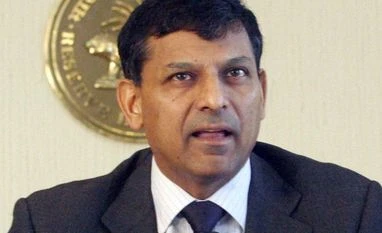 "RBI cuts repo rate 25 bps to 7.25%")


 Connect with us on WhatsApp