Vantage point: Insights from cutting-edge research
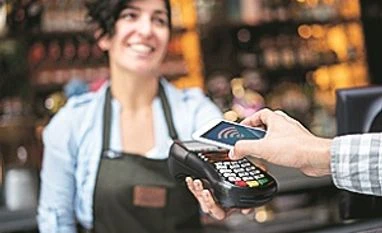
Post-demonetisation, cashless is the norm for meeting daily needs; sportswomen and soldiers are the new Indian heroes
STR Team Post-demonetisation, cashless is the norm for meeting daily needs
CashKaro.com a cashback and coupons site has released a survey report detailing the effects of demonetisation on online shopping. Over 1,000 people across India participated in the survey. About 85 per cent of the respondents said they are in favour of the recent move and agreed that it would be instrumental in reducing black money. And 78 per cent claimed they had started to shop online more since the move. According to the survey, going cashless is the new norm with 35 per cent of the respondents using “plastic money” even while shopping at local vendors for daily needs and consumables. Others preferred sites for buying groceries and other household items that include Amazon (25 per cent), BigBasket (15 per cent), Flipkart (seven per cent), Grofers.com (seven per cent) and Snapdeal (five per cent). Paytm has become the undisputed leader when it comes to being the preferred payment wallet with 50 per cent user share followed by FreeCharge (35 per cent), Mobikwik, Citrus Pay and Oxigen. Further, the preferred payment method used after demonetisation when shopping online include mobile wallets (59 per cent), net banking (23 per cent), cash on delivery (CoD) using debit or credit card per cent (18 per cent) and CoD using cash (one per cent).
Sportswomen and soldiers are the new Indian heroes
Yahoo has come out with the 2016 Year in Review report for India. In its ninth year now, this review is based on users’ daily search habits and an editorial selection of what they read, recommended and shared most on Yahoo. According to the report, the list of top newsmakers features sportswomen including P V Sindhu, Sakshi Malik and Dipa Karmakar who won laurels and dominated the headlines during Rio Olympics. Other top newsmakers include Prime Minister Narendra Modi and politicians Arvind Kejriwal, J Jayalalithaa and Subramanian Swamy, besides Rohit Khandelwal who is the first Indian (and Asian) to win the Mr World title. “The Unnamed Soldier” became the “Personality of the Year” for being perennially at the forefront of national consciousness. From thwarting a terrorist infiltration into the Pathankot Air Force Station to facing September’s militant attack in Uri that led to a precise and surgical retaliation from India, or being in the midst of the controversy surrounding the One Rank-One Pension scheme — the soldier was in the news all year long. The prime minister’s demonetisation initiative, Cyrus Mistry’s dramatic exit from Tata Group and Reliance Jio’s 4G network launch were the most significant financial events that shook India. In fact, the RJio launch made Mukesh Ambani one of the top business newsmakers of 2016 as well. Autonomous vehicles emerged as the most significant technology innovation of 2016.
Direct selling offering women self-employment opportunities
FICCI and KPMG have released a report titled,“The Contribution of Direct Selling to Building India” for 2016. It looks at how the direct selling industry has positively contributed to several flagship schemes launched by the government of India in the past two years. For example, the Skill India scheme seeks to provide the institutional capacity to train a minimum of 400 million people by 2022. The direct selling industry annually trains over five million people in marketing and communication skills, personality development and leadership skills. As part of Make in India many direct selling companies now make in India. Some rely on micro, small and medium enterprises (MSMEs) for manufacturing their products, investing in and providing the right equipment and machines to the MSMEs for production. Further, due to the dominance of women-centric products offered under direct selling, the industry provides self-employment opportunities to a large number of women. In 2015 alone, it has provided self-employment to over three million female distributors. By providing income generation opportunities and trainings, direct selling promotes holistic development of women.

 "<b>Vantage point:</b> Insights from cutting-edge research")


 Connect with us on WhatsApp