
Google CEO sought to keep Incognito mode issues out, lawsuit alleges
The Alphabet Inc unit's privacy disclosures have generated regulatory and legal scrutiny in recent years amid growing public concerns about online surveillance.
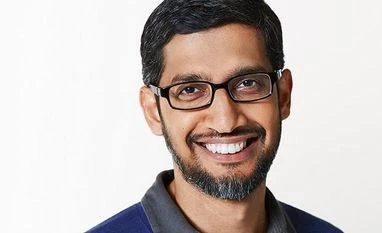 "Google CEO sought to keep Incognito mode issues out, lawsuit alleges")
WebinarsNew
Deep DiveNew
Explore Business Standard
The Alphabet Inc unit's privacy disclosures have generated regulatory and legal scrutiny in recent years amid growing public concerns about online surveillance.
By Paresh Dave
(Reuters) - Google Chief Executive Sundar Pichai in 2019 was warned that describing the company's Incognito browsing mode as "private" was problematic, yet it stayed the course because he did not want the feature "under the spotlight," according to a new court filing.
Google spokesman Jose Castañeda told Reuters that the filing "mischaracterizes emails referencing unrelated second and third-hand accounts."
The Alphabet Inc unit's privacy disclosures have generated regulatory and legal scrutiny in recent years amid growing public concerns about online surveillance.
Users last June alleged in a lawsuit that Google unlawfully tracked their internet use when they were browsing Incognito in its Chrome browser. Google has said it makes clear that Incognito only stops data from being saved to a user's device and is fighting the lawsuit.
In a written update on trial preparations filed Thursday in U.S. district court, attorneys for the users said they "anticipate seeking to depose" Pichai and Google Chief Marketing Officer Lorraine Twohill.
The attorneys, citing Google documents, said Pichai "was informed in 2019 as part of a project driven by Twohill that Incognito should not be referred to as 'private' because that ran 'the risk of exacerbating known misconceptions about protections Incognito mode provides.'"
The filing continued, "As part of those discussions, Pichai decided that he 'didn't want to put incognito under the spotlight' and Google continued without addressing those known issues."
Castañeda said teams "routinely discuss ways to improve the privacy controls built into our services." Google's attorneys said they would oppose efforts to depose Pichai and Twohill.
Last month, plaintiffs deposed Google vice president Brian Rakowski, described in the filing as "the 'father' of Incognito mode." He testified that though Google states Incognito enables browsing "privately," what users expect "may not match" up with the reality, according to the plaintiffs' write-up.
Google's attorneys rejected the summary, writing that Rakowski also said terms including "private," "anonymous," and "invisible" with proper context "can be super helpful" in explaining Incognito.
(Reporting by Paresh Dave; Editing by David Gregorio)
(Only the headline and picture of this report may have been reworked by the Business Standard staff; the rest of the content is auto-generated from a syndicated feed.)
First Published: Sep 25 2021 | 7:08 AM IST


 Connect with us on WhatsApp