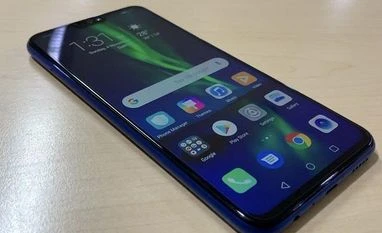
The front is dominated by a 6.5-inch screen with a notch on the top to accommodate the front camera, earpiece and couple of sensors. However, the notch area and the bezel on the chin in the Honor 8X is relatively better – small and slim – than most of the other smartphones in the same segment.
The two-gradient design at the back of the phone looks refreshing. It is similar to the design seen in the Lenovo Vibe Shot, a camera-centric smartphone launched in 2015, but is better. Like its predecessor, the dual cameras on the back are not a part of a single module, but bulge out separately in close proximity that adds to the overall aesthetics of the back. Though the phone’s back looks symmetrical, the fingerprint sensor with rough texture on the upper middle side and ‘AI Camera’ text below the camera module diminishes the overall design. Another downside is the glass and plastic combination used to cover the front and back. Both the front and back attract fingerprints and are less resistant to scratches, and therefore, require proper care.

 "Honor 8X review: A smartphone with a little bit of everything for everyone")









