Budget: Why FM chose standard deduction and not raised tax exemption limit
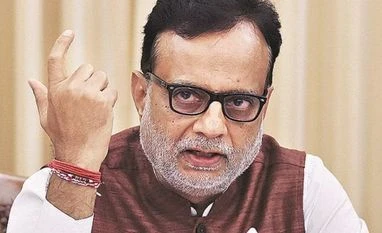
Hasmukh Adhia said, 'Govt wanted the benefit to go to only salaried class who honestly pay their taxes'
Press Trust of India New Delhi Tax-free income for salaried class and pensioners has been raised to Rs 290,000 by way of a Rs 40,000 standard deduction and not by hiking exemption limit as the government wanted the benefit to accrue to honest taxpayers, Finance Secretary Hasmukh Adhia said on Friday.
The standard deduction, which replaces tax-free transport allowance of Rs 1,600 per month (Rs 19,200 a year) and medical expense reimbursement of Rs 15,000 per annum, will accrue automatically to salaried class and pensioners without the requirement of furnishing proof like medical bills that are in vogue now.
The provision, which forms part of the
Budget for 2018- 19, will apply from April 1 after Parliament approval.
Finance Minister Arun Jaitley chose the standard deduction route rather than raising tax exemption limit as the government wanted the benefit to go to only salaried class who honestly pay their taxes, Adhia told PTI in an interview.
Raising I-T exemption limit would have benefited all taxpayers, including 18.8 million individual business taxpayers who pay a total of Rs 480 billion (Rs 48,000 crore) tax or an average of Rs 25,753 each.
This compares to 18.9 million salaried individuals paying total tax Rs 1.44 trillion or Rs 76,306 each.
Under the Income Tax Act, income up to Rs 250,000 is exempt from any tax. With the standard deduction, this limit would go up to Rs 290,000 for salaried class and pensioners from April 1.
"You don't have to file any bills for receiving tax-free medical allowance. You will get full Rs 40,000 benefit in medical and conveyance without the bill," Adhia said.
Currently salaried individuals has to provide bills to avail tax benefits for medical expenses up to Rs 15,000 under the I-T Act. However, for transport expenses, no bill is required to be produced.
Adhia said if the Income Tax exemption slab would have been increased from Rs 250,000, then the benefit would have reached the businesses and professionals as well and about 40 -50 lakh people would have gone out of tax net.
"We are targeting only salaried class which needs more exemption. Also, 40-50 lakh (four to five million) people go out of tax net the moment we increase the exemption. So our tax net expansion agenda is also not followed. Secondly, if we have to give any more benefits, it should go to the salaried class now," said Adhia, who is also the revenue secretary.
Nangia & Co Managing Partner Rakesh Nangia said the standard deduction was brought in the Budget to bring parity between salaried class and business class taxpayers who are eligible to claim expenses and pay taxes only on a net basis.
"Standard deduction was to provide salaried class with more disposable income. The change in
Budget 2018-19 will not translate into a considerable benefit to the salaried taxpayers and those earning more than Rs 10 lakh of salary would end up paying more taxes," Nangia said.

 "Budget: Why FM chose standard deduction and not raised tax exemption limit")


 Connect with us on WhatsApp