New materials pose challenge to silicon-based semiconductors
While gallium nitride & silicon carbide have the potential to significantly improve efficiency of electronic goods, their high cost is a major impediment, according to Lux Research
BS B2B Bureau Boston, Massachusetts Gallium nitride (GaN) and silicon carbide (SiC) have the potential to significantly improve efficiency of electronic goods. But since these materials are higher-cost, companies need market-specific strategies in order to succeed as these new wide-bandgap (WBG) materials claim market share from silicon-based semiconductors, according to Lux Research.
“Carmakers would succeed by playing the role of an ‘integrator’, by vertically integrating upstream in the value chain to power modules, while a GaN or SiC developer would do well to pursue a ‘technology disruptor’ strategy, offering core technology expertise to solar inverter makers and incumbent system integrators like ABB,” said Lux Research in a press release.
“Fast-growing markets like automotive and solar inverters are unforgiving when it comes to players without strong business and strategy. Start-ups trying to address these opportunities need to forge partnerships and collaborations - companies like Transphorm and GaN Systems that have done so are best-positioned for success,” said Pallavi Madakasira, Lux Research analyst and the lead author of the report titled, ‘Strategic playbook for power electronics: Lessons from the IC sector evolution’.
As per Lux Research report, carmakers could integrate upstream through acquisition to include power modules and inverter/converter manufacturing. Such acquisitions will allow carmakers to own drivetrain design and lower overall costs.
A vertically integrated GaN/SiC device or module player is well-positioned in the solar value chain. The core technology differentiation that such a company offers will be critical for incumbent solar inverter makers like SMA and Fronius, and something system integrators like ABB do not have the competencies for.
“Suppliers of substrates, packaging materials and thermal materials will need to customise. Staying nimble and planning for an increased number of specialised device makers in the power electronics value chain will be critical to their overall success,” said Lux Research report.

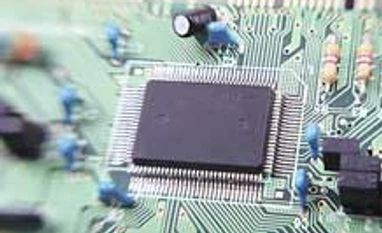 "New materials pose challenge to silicon-based semiconductors")


 Connect with us on WhatsApp