
Op Sindoor strikes hit Pakistan where it hurt the most: ex-IAF chief
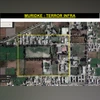
On May 7, India struck nine terror camps deep inside Pakistan (and PoK) out of which two were hit primarily by the IAF -- Bahawalpur and Murdike
 "Op Sindoor strikes hit Pakistan where it hurt the most: ex-IAF chief")
Explore Business Standard

Associate Sponsors
Co-sponsor
On May 7, India struck nine terror camps deep inside Pakistan (and PoK) out of which two were hit primarily by the IAF -- Bahawalpur and Murdike
When Pakistan attacked Indian defence installations during Operation Sindoor, which was "getting a little out of hand", the Indian Air Force retaliated hard, striking their military targets and hitting where it "hurt the most", a former IAF chief said on Tuesday.
Chaudhari emphasised the Indian government took a very bold decision to strike deep inside Pakistan to destroy terror camps in retaliation of the Pahalgam massacre in April in which 26 people, mostly tourists, were killed by attackers backed by the neighbouring country. Operation Sindoor was result of a very bold planning by joint teams of all the three services - the Army, Navy and Air Force, he noted. Chaudhari was speaking at an event in IIT Bombay where former Navy chief R Hari Kumar and ex- Army chief Manoj Pande were also present. On May 7, India struck nine terror camps deep inside Pakistan (and PoK) out of which two were hit primarily by the IAF -- Bahawalpur and Murdike. It was the first time that India went so deep and struck with absolute pin-point accuracy, the former IAF chief stressed. "We expected some kind of response.The Pakistanis responded by carrying out multiple attacks by using drones and missiles on our military installations and civilian targets and so on. They even targeted hospitals in Udhampur," he said. However, India's integrated air defence systems were able to thwart all these attacks, Chaudhari highlighted. "We brought down every single drone or missile that was fired at us. No damage was suffered within our country. Now when they were targeting our bases, this was getting a little out of hand. Once they are hitting our bases, we had to retaliate and go after their bases from where their aircraft and drones got air-borne," the former IAF chief said. "On May 9 and 10, what we carried out was an attack on their air bases and military targets. We hit them so hard, we hit them so precisely that they started waving white flags once their primary air bases were hit. And where we hit them was where it hurt the most," he asserted. Chaudhari said BrahMos missiles launched from Sukhoi 30 aircraft and Scalp missiles from Rafale fighter jets stole the show during the conflict. The precision air strikes were achieved through ISR -- Intelligence, Surveillance and Reconnaissance. This, in turn, was obtained through Signal Intelligence (SIGNIT), IMINT (Image Intelligence), Open source intelligence, Human intelligence, and satellite based surveillance, he maintained. "So when you put all these together, you get a clear picture of exactly who is hiding where. (With) the kind of surveillance that is available globally, there are no hiding places," Chaudhari stressed.
(Only the headline and picture of this report may have been reworked by the Business Standard staff; the rest of the content is auto-generated from a syndicated feed.)
First Published: Dec 23 2025 | 11:11 PM IST

