
Not acting on unsecured lending could have created bigger problem: Das
He expressed satisfaction that the RBI's action has had the desired impact, as the growth in unsecured lending has indeed slowed down
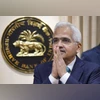 "Not acting on unsecured lending could have created bigger problem: Das")
WebinarsNew
Deep DiveNew
Explore Business Standard
He expressed satisfaction that the RBI's action has had the desired impact, as the growth in unsecured lending has indeed slowed down
RBI Governor Shaktikanta Das on Thursday said not acting on unsecured lending could have created a "bigger problem", and RBI's actions on such practices have had the desired impact of slowing down growth in the riskier segment.
Addressing an international conference on financial resilience at the RBI's College of Supervisors here, Das said restrictions on unsecured lending were the result of a view that there could be a potential problem in the credit market because of growth in unsecured lending.
The overall headline parameters were looking good, but there was "clear evidence" of dilution of underwriting standards, lack of proper appraisals and a mentality to join the bandwagon for driving up the unsecured lending among some lenders, he added.
"We thought if left unattended, these vulnerabilities can become a bigger problem. So, we thought it is better to act in advance and slow down the credit growth," Das said.
He expressed satisfaction that the RBI's action has had the desired impact, as the growth in unsecured lending has indeed slowed down.
Das said the growth in credit card portfolios has slowed down to 23 per cent from 30 per cent before the RBI (Reserve Bank of India) action, while growth in bank lending to Non-bank Finance Companies (NBFC) has slowed to 18 per cent from the earlier 29 per cent.
It can be noted that on November 16 last year, the RBI increased the risk weights on unsecured lending and exposure to NBFCs, which will make banks set aside larger amounts of capital on such assets.
"India's domestic financial system is now in a much stronger position than it was before we entered the period of the COVID crisis. Indian financial system is now in a much stronger position, characterised by robust capital adequacy, low levels of non-performing assets, and healthy profitability of banks and non-banking lenders, that is NBFCs", said Das.
First Published: Jun 20 2024 | 1:44 PM IST


 Connect with us on WhatsApp