The Securities and Exchange Board of India (Sebi) has proposed a framework to enable retail investors to participate in algorithmic (algo) trading. The draft circular, titled “Participation of retail investors in algorithmic trading”, outlines the process for approval and registration of algos.
Nithin Kamath, chief executive officer (CEO), said on social platform X, “Platforms which offer algos or readymade strategies will need to get them approved through the broker. The broker will, in turn, have to register all algos and strategies with the exchanges.” The circular is expected to provide retail investors access to registered and approved algos, ensuring their interests are protected.
How it works
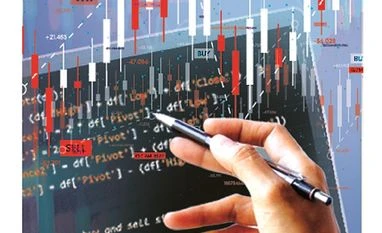
Algo trading automates decision-making in the trading process. “The key difference from traditional trading is that all decisions — what, when, and how much to buy or sell — are made by a computer system through an algorithm,” says Rajesh Ganesh, founder and CEO, TripleInt Trading Systems. He explains that algorithms operate based on preset parameters, removing emotional biases of traders.
Brokers facilitate automation through an Application Programming Interface (API), which connects the trader’s algo to the broker’s platform. Popular platforms like Zerodha and Upstox Pro offer APIs to retail investors. “Algorithms can handle huge volumes of trade at incredible speeds. Today, more than 50 per cent of the trade volume in the market comes from algos,” says Vivek Sharma, investment head, Estee Advisors.
Disciplined trading
Algo trading offers several advantages. “Algo trading eliminates biases by adhering to a predefined risk model. It ensures structured and disciplined trades,” says Ramakrishnan Selvaraj, co-founder, catbots.tech. Delays in manual execution can result in slippage. But algos execute trades almost instantaneously, minimising this issue.
Algos allow trades to occur 24x7 without requiring constant monitoring. “Algos can also analyse tonnes of data in real-time and make decisions faster than any human,” says Sharma.
Back-tested results may not be replicated
Algo trading comes with its share of risks. Algos can falter when systemic failures, API errors, and market anomalies occur. “Algo trading is hands-free but not risk-free. Investors need to monitor it and intervene when necessary,” says Ganesh.
Rare and unpredictable market shocks, referred to as Black Swan events, can disrupt the performance of algos, especially amid high volatility. “When the market plummets, algos may act only at the stop-loss limit, potentially after significant losses. A human, knowing the market may go down, can respond pre-emptively,” says Selvaraj. Investors should not treat the results of back-testing as being predictive. “Back-testing provides insights, but past performance is not always indicative of future results,” says Ganesh.
Understand before you invest
Many enter this arena without a detailed understanding of how their algo works. “Diligently review information on the strategy, risk profile, potential losses, and expected gains before investing,” says Selvaraj. Unrealistic expectations are also common. “Investors hear stories of quant funds like Renaissance Technologies delivering astronomical returns and assume similar returns are guaranteed,” says Sharma.
Should you go for it?
According to Ganesh, algo trading suits investors who prefer a data-driven, objective approach and are comfortable with technology.
A basic understanding of markets and risk management is essential. Risk-averse investors may go for traditional trading or algos with lower risks. “They could go for algos with maximum drawdown of, say, 10 per cent,” says Ganesh.
Trading framework decoded
- Brokers can offer algo trading facilities to retail investors only after obtaining the stock exchange’s approval for each algo
- Orders above a specific threshold (of orders per second) will be categorised as algo orders
- Algo orders will have a unique identifier
- Modifications to an algo must be approved by the exchange
- Retail investors, who develop their own algos, must register them through brokers and can extend usage to immediate family members
- Exchanges will have a kill switch for malfunctioning algos

 "Algo trading: Understand risks, have realistic return expectations")


 Connect with us on WhatsApp