What punishment might you expect for stealing a tomato or a can of Coke? Perhaps a warning or a fine? Under a new bill being debated in the United States, undocumented immigrants could face detention or deportation for non-violent crimes such as shoplifting, burglary, or theft.
The US Senate on Thursday voted to begin discussions on the Laken Riley Act, advancing the Republican-led bill that has received support from some Democrats. “This is an important issue. We should have a debate and amendments,” said Senate Minority Leader Chuck Schumer, D-NY, during a floor speech before voting to proceed with debate.
What does the bill propose, and how could it affect undocumented immigrants, including Indians living in the US?
What the Laken Riley Act says
“The Laken Riley Act, recently passed by the US House of Representatives, makes it mandatory to detain undocumented immigrants arrested for certain non-violent crimes like theft, burglary, or shoplifting,” said Jidesh Kumar, Managing Partner at King Stubb & Kasiva, Advocates and Attorneys.
Kumar noted that this law applies universally to all undocumented individuals, including Indian nationals without proper documentation in the US.
The bill is named after Laken Riley, a nursing student killed by an undocumented immigrant who had previously been arrested for shoplifting but was not detained. This incident, along with former President Donald Trump’s deportation policies, has driven the narrative behind the legislation.
Changes under the proposed law
Currently, undocumented immigrants face deportation after being convicted of two minor offences. However, the Laken Riley Act proposes two key changes:
1. Immigration authorities could detain and deport individuals charged with non-violent petty crimes, even before their guilt is established.
2. State attorneys general could sue the federal government if an undocumented immigrant released from custody commits a violent offence in their state.
“The critical change is that the Laken Riley Act allows for detention and deportation of undocumented immigrants who are merely charged with a crime,” said Russell A Stamets, Partner at Circle of Counsels. “People are innocent until proven guilty. This law, however, enables the detention and deportation of innocent individuals.”
Stamets gave an example to illustrate the potential implications. “If someone shoplifts a can of Coke, or is simply accused of doing so, they will be at risk of detention or deportation—even if they are later found innocent.”
Impact on Indian immigrants
While India is far from the top of the list of undocumented immigrants in the United States, it has been classified as an “uncooperative” country in deportation processes under current US border security measures. Alongside nations such as Bhutan, Cuba, and Venezuela, India faces criticism from US Immigration and Customs Enforcement (ICE) for delays in issuing travel documents and difficulties in accepting deported nationals.
Soumen Mohanty, Partner at AQUILAW, warned that the Act might increase fear within immigrant communities. “Undocumented Indians may underreport crimes due to fears of immigration consequences,” he explained. “They must exercise greater caution and stay informed about their rights.”
The bill could also resurface minor past infractions, leading to severe repercussions for undocumented individuals. “Undocumented Indians should avoid legal trouble and stay vigilant to protect themselves from serious consequences,” said Kumar.
The Laken Riley Act is seen as part of Trump’s broader agenda against illegal immigration. “This Act and similar measures will face resistance from states and local governments, including sanctuary cities,” said Stamets. “But they contribute to a climate of fear and uncertainty for immigrants, regardless of their status.”
Economic difficulties and visa delays are pushing many Indians toward unauthorised migration. In the last three years, around 90,000 Indian nationals have been apprehended attempting to enter the US illegally. Many come from Punjab, Gujarat, and Andhra Pradesh.
“Many Indians face restrictions and long delays in obtaining visas or green cards,” said Zeeshan Farooqui, Partner at King Stubb & Kasiva. “This drives some to explore alternative routes, often at great financial and personal risk.”
With Trump promising the largest deportation drive in US history, the stakes are high for undocumented immigrants, including thousands of Indians living in the shadows.

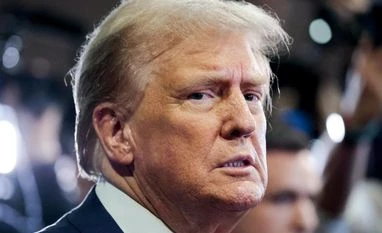 "Steal a Coke can, get arrested: This new US Bill targets illegal immigrants")

