
Chandrayaan-3 landed on one of the oldest craters on Moon: PRL-Isro study
This is revealed based on analysis of images obtained by navigation cameras on Chandrayaan-3 Pragyan rover and Chandrayaan-2 Orbiter's optical high resolution camera
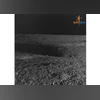 "Chandrayaan-3 landed on one of the oldest craters on Moon: PRL-Isro study")
Explore Business Standard

Associate Sponsors
Co-sponsor
This is revealed based on analysis of images obtained by navigation cameras on Chandrayaan-3 Pragyan rover and Chandrayaan-2 Orbiter's optical high resolution camera
Indian lunar mission Chandrayaan-3 landed within a buried impact crater, which is around 160 km in size and approximately 4.4 km deep, and likely to be older than the South Pole Atkin (SPA) basin, according to Indian Space Research Organisation (Isro).
This is revealed based on analysis of images obtained by navigation cameras on Chandrayaan-3 Pragyan rover and Chandrayaan-2 Orbiter's optical high resolution camera, according to scientists from Physical Research Laboratory and Isro, who published their study in peer-reviewed journal 'Icarus'.
The Chandrayaan-3 mission with the Vikram lander and the Pragyan rover landed in the high latitude highland region near the south pole of the Moon, an Isro statement noted.
The landing site is located approximately 350 km from the SPA basin rim, an ancient and the largest impact basin in the Solar System.
This landing site has undergone the complex emplacement sequence of SPA basin ejecta followed by the nearby and distant impact basins and complex crater ejecta materials, it said.
The Pragyan rover's navigation camera and Chandrayaan-2 Orbiter's optical high resolution camera images gave the first clue about the linear, distal ejecta rays or groove-like structures possibly formed due to the distant impacts deposited at the Chandrayaan-3 landing site, the statement said.
The regional exploration around the Chandrayaan-3 landing site revealed a near semi-circular like structure, highly degraded in nature, it was stated. Further detailed geomorphological and topographical analysis revealed that the semi-circular structure is a heavily degraded crater structure or a buried impact crater with a diameter of approximately 160 km.
"This semi-circular structure was highly degraded due to the mantling of thick ejecta deposits from the SPA basin and followed by many other complex craters throughout the geological history of the Moon," the statement said.
"This buried crater is one of the oldest craters on the Moon, and the Chandrayaan-3 Vikram lander and Pragyan rover landed and roved within this buried crater, which is hosting the SPA basin ejecta material and some of the most deeply excavated materials on the Moon," Isro added.
(Only the headline and picture of this report may have been reworked by the Business Standard staff; the rest of the content is auto-generated from a syndicated feed.)
First Published: Oct 01 2024 | 7:40 PM IST

