Delhi HC to hear Sharjeel Imam's plea for bail in sedition case on May 4
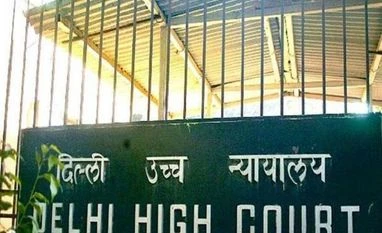
The Delhi High Court Monday said it will hear on May 4 a plea by JNU student Sharjeel Imam seeking bail in connection with a 2020 communal riots case involving allegations of sedition
Press Trust of India New Delhi The Delhi High Court Monday said it will hear on May 4 a plea by JNU student Sharjeel Imam seeking bail in connection with a 2020 communal riots case involving allegations of sedition.
The petition, which assails a January 24, 2022 order by the trial court dismissing his bail application, was listed for hearing before a bench of Justices Siddharth Mridul and Vikas Mahajan.
The bench fixed the matter for hearing in May as the counsel for one of the parties was not available on Monday.
On January 30, the court had sought to know the stand of the city police as to whether Imam's plea for bail could be remanded back to the trial court for adjudication as there was no ground mentioned in the lower court's order for rejecting the relief.
The bench had said since section 124A (sedition) of the IPC has been kept in abeyance on the directions of the Supreme Court, it will have to examine the trial court's bail rejection order while keeping in mind the other penal sections applied against Imam.
Last year, the trial court had framed charges against Imam under Sections 124A (sedition), 153A (promoting enmity), l53B (Imputations prejudicial to national integration), 505 (Statements conducing to public mischief) of IPC and Section 13 (Punishment for Unlawful Activities) of Unlawful Activities Prevention Act.
As per the prosecution, Imam had made speeches at Jamia Millia Islamia on December 13, 2019 and at the Aligarh Muslim University on December 16, 2019 where he threatened to cut off Assam and the rest of the North East from the country.
In his petition before the high court, Imam has said the trial court failed to recognise that pursuant to the directions of the top court, the basis for dismissal of his earlier bail plea- the charge of sedition- no longer existed and therefore relief must be granted to him.
On May 11, 2022, the Supreme Court had stayed till further orders the registration of FIRs, probes, and coercive measures for the offence of sedition across the country by the Centre and the states until an appropriate forum of the government re-examines the colonial-era penal law.
(Only the headline and picture of this report may have been reworked by the Business Standard staff; the rest of the content is auto-generated from a syndicated feed.)

 "Delhi HC to hear Sharjeel Imam's plea for bail in sedition case on May 4")


