No religion supports pollution or compromises public health, says SC
The Supreme Court stated that no religion supports actions harming public health and urged states to report pollution control efforts
Rimjhim Singh New Delhi The Supreme Court on Monday emphasised that no religion advocates for actions that lead to pollution or compromise public health. It instructed all states in the National Capital Region (NCR) to submit updates on measures they are implementing to control pollution levels.
A Bench comprising Justices Abhay S Oka and Augustine George Masih stated that every citizen’s right to live in a pollution-free environment is safeguarded under Article 21 of the Indian Constitution.
According to Bar and Bench, the apex court stated, “Prima facie we are of the view that no religion promotes any activity which promotes pollution or compromises with health of people.”
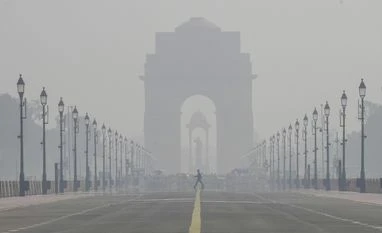
The Supreme Court’s remarks were made during a hearing on the deteriorating air quality in Delhi due to Diwali celebrations and stubble burning in neighbouring states like Punjab and Haryana in late October and early November.
Delhi’s firecracker ban
The court had previously questioned the Delhi government and police regarding the widespread violation of the firecracker ban during Diwali. The bench also urged the Delhi government to consider implementing a continuous ban on firecrackers.
Consultations on a permanent firecracker ban
In response, the Delhi government said that it would consider a permanent ban following consultations with various stakeholders. The top court sought clarity on which stakeholders would be involved and directed a decision be reached by November 25, ahead of the new year celebrations. “Let your stakeholders come to us. If anybody is claiming the right to burn firecrackers under Article 21, let them come to us,” the court said.
The Supreme Court also called on other NCR states to report on actions taken to limit pollution within their jurisdictions.
Regarding the use of firecrackers during Diwali in Delhi, the court observed that the Delhi government cited difficulties in enforcement, noting that the Delhi Police, responsible for implementing the ban, had issued the enforcement order only on October 14. The top court criticised this delay, stating that the ban order was inadequately communicated to firecracker sellers, manufacturers, and distributors, undermining compliance efforts.

 "No religion supports pollution or compromises public health, says SC")


