Bank of Baroda sees up to 15 percentage points LCR impact after RBI norms

The LCR level was 122 per cent in March 2024. As a part of liability management, the bank has sold down borrowing on excess Statutory Liquidity Ratio (SLR), Chand said
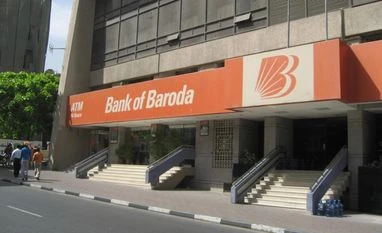
Bank of Baroda
Abhijit Lele Mumbai
2 min read Last Updated : Aug 01 2024 | 11:17 PM IST
The Reserve Bank of India’s (RBI’s) proposed norms on tightening the liquidity coverage ratio (LCR) is expected to have a 12-15 percentage point (pp) impact on Bank of Baroda (BoB). The public sector lender’s LCR level could be 123-126 per cent after factoring in the impact of norms.

Currently, the RBI stipulates banks maintain 100 per cent LCR for liability management.
 
Debadatta Chand, managing director and chief executive, BoB, told Business Standard that the bank’s LCR was 138 per cent at the end of June 2024. Bank has a policy for an internal threshold level of 120 per cent LCR. Even after the guidelines come into effect, the LCR will still be above 120 per cent.
 
LCR level was 122 per cent in March 2024. As part of the liability, the bank has sold down borrowing on excess Statutory Liquidity Ratio (SLR), Chand said.
 
The RBI has proposed to tighten norms for LCR by increasing the run-off factor for retail deposits in the wake of the rising number of mobile and internet banking users. The regulator has proposed to impose an additional run-off factor of five per cent on both stable and less stable retail deposits.
 
On the bank’s approach to credit to deposit ratio (C\D ratio), he said it will operate with a ratio in the band of 80-82 per cent level. The ratio, which was at a peak of 84 percent a quarter ago, has come down to 82 per cent now.  
 
The international book was operating at an excess of 100 per cent. The bank moderated loan growth in overseas markets (6.4 per cent year-on-year basis in Q1). With the balance of the international book, bias will be to operate at a C\D ratio of 80 per cent, Chand said.

Currently, BoB’s liability book is fully re-priced which is why the cost of deposits has been flat between March and June 2024, he said, while speaking on the changes in interest rate.

There may be a downward movement of the regulatory rate (repo rate). The liquidity in the market has improved post-June 2024. However, that has not really translated into deposits flowing into the banking system. The cost of deposits was expected to moderate with improvement in liquidity in the current financial year, he added.

*Subscribe to Business Standard digital and get complimentary access to The New York Times

Smart Quarterly

₹900

3 Months

₹300/Month

SAVE 25%

Smart Essential

₹2,700

1 Year

₹225/Month

SAVE 46%
*Complimentary New York Times access for the 2nd year will be given after 12 months

Super Saver

₹3,900

2 Years

₹162/Month

Subscribe

Renews automatically, cancel anytime

Here’s what’s included in our digital subscription plans

Exclusive premium stories online

  • Over 30 premium stories daily, handpicked by our editors

Complimentary Access to The New York Times

  • News, Games, Cooking, Audio, Wirecutter & The Athletic

Business Standard Epaper

  • Digital replica of our daily newspaper — with options to read, save, and share

Curated Newsletters

  • Insights on markets, finance, politics, tech, and more delivered to your inbox

Market Analysis & Investment Insights

  • In-depth market analysis & insights with access to The Smart Investor

Archives

  • Repository of articles and publications dating back to 1997

Ad-free Reading

  • Uninterrupted reading experience with no advertisements

Seamless Access Across All Devices

  • Access Business Standard across devices — mobile, tablet, or PC, via web or app

More From This Section

Topics :Reserve Bank of IndiaBank of Barodafinance sector

First Published: Aug 01 2024 | 7:03 PM IST

Next Story
