Home / Industry / News / 'Deepfakes' a new threat to diverse society, says PM Narendra Modi
'Deepfakes' a new threat to diverse society, says PM Narendra Modi
The PM said 'deepfakes' presented an imminent threat, especially since a sizeable section of Indians lacked the tools to verify the authenticity of such content
The PM said 135 million lifted from poverty have joined the 'neo middle class', increasing their aspiration levels
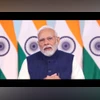
Prime Minister Narendra Modi on Friday stressed the need for creating better awareness among people about the pitfalls of artificial intelligence, especially the potential of misuse of deepfakes. If left unchecked, such deepfakes could cause social unrest in a diverse society such as India’s, he said.
The PM’s concerns come days after the Delhi Police Special Cell registered a first information report in connection with deepfake AI-generated video of actor Rashmika Mandanna. A deepfake image of actor Katrina Kaif has also surfaced online.
The Centre has asked social-media intermediaries to exercise due diligence and make efforts to identify misinformation and deepfakes.
The PM said he recently asked ChatGPT and would also appeal to the media to run disclaimers or warnings on deepfake videos, somewhat akin to the ones on cigarette packets, that the content in question could be hazardous. In a lighter vein, the PM pointed to a recent video clip on social media, which purportedly showed him performing ‘garba’. He said even his admirers believed it genuine as they took to forwarding it.
Addressing media persons at the Bharatiya Janata Party (BJP)’s annual ‘Diwali Milan’ programme at the party’s national headquarters here, the PM said an estimated Rs 4.5 trillion worth of business took place during the current festival season. He said the quantum underlined the pivotal role India’s domestic demand and a push for ‘vocal for local’ could contribute to the country’s economic growth and help achieve the target of making India a developed country by 2047. He said the aspirations of 135 million people lifted out of poverty and the easy availability of bank loans have increased the size of India’s market.
The PM said deepfakes presented an imminent threat, especially since a sizable section of Indians lacked the tools to verify the authenticity of such content. Modi said people usually trusted anything associated with the media, which is seen as a credible source of information in the same manner as anyone clad in gerua (saffron) gets respect. Deepfake videos are synthetic media where a person in an existing image or video is replaced with someone else’s likeness.
The PM said a deepfake on social media could spread disaffection fast, which could disturb the social fabric before the government apparatus, which has limitations of distance, reaches a remote place to quell the disturbance.
“This is where we need to educate people about the potential of abuse of deepfakes,” he said. About his deepfake video, the PM said while he was good at 'garba' when young, he has not performed it since his school days.
Referring to his resolve to make India a developed country by 2047, the PM said the current juncture in India’s civilisational history was crucial in achieving the objective, and appealed to media to support the cause, just as it helped the ‘Clean India campaign’. He asked media and business houses to identify 10 cities across the country to organise brainstorming sessions for at least a couple of years in each of these to discuss how to make that city the driving engine of growth, increase the size of their economies to Rs 1 trillion or at least double it.
The PM said 135 million lifted from poverty have joined the neo-middle class, increasing their aspiration levels, with their ambition to purchase jewellery, television sets, air conditioners, and cars, which has a cascading effect on demand. Modi said banks now offered loans to street vendors and others, with non-payment being barely one per cent.
He spoke of his experience of meeting members of a woman self-help group in a tribal village in Madhya Pradesh’s Shahdol, which inspired him to suggest the concept of ‘Lakhpati Didi’ to help more than 20 million women involved in such groups.

 "'Deepfakes' a new threat to diverse society, says PM Narendra Modi")



