
GJEPC urges govt to lay rules for disclosure of natural, lab-grown diamonds
Shifting consumer preferences toward lab-grown diamonds, which are more affordable, ethical, and sustainable, are also impacting the demand for natural diamonds
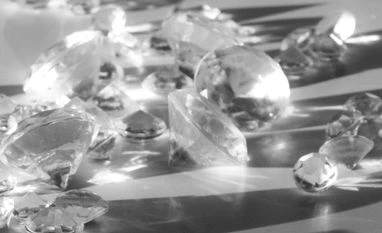 "GJEPC urges govt to lay rules for disclosure of natural, lab-grown diamonds")
Explore Business Standard

Associate Sponsors
Co-sponsor
Shifting consumer preferences toward lab-grown diamonds, which are more affordable, ethical, and sustainable, are also impacting the demand for natural diamonds
Gems and Jewellery Export Promotion Council (GJEPC) has urged the government to formulate stringent regulations mandating traders to clearly disclose whether a diamond is natural or lab-grown while marketing to prevent ambiguity.
In a communication to the Department of Consumer Affairs, the council has said that ensuring transparency and implementing clear and standardised guidelines are essential to protect consumers and maintain the integrity of the domestic industry.
It was informed that there is a widespread misuse of terminology in the marketing and advertising of lab-grown diamonds in India.
To address this critical issue, the council has "decided to advocate for the adoption of the Federal Trade Commission (FTC) guidelines of the US.
"These guidelines clearly define, standardised nomenclature and provide mandatory disclosure requirements for both natural and lab-grown diamonds."
The diamond industry is already facing issues due to the Russia-Ukraine conflict, as it has disrupted the global diamond supply chain, with sanctions on Russia, a major rough diamond producer, further complicating trade and slowing down the global diamond trade.
Shifting consumer preferences toward lab-grown diamonds, which are more affordable, ethical, and sustainable, are also impacting the demand for natural diamonds.
India is promoting the manufacturing of lab-grown diamonds (LGD) in the country. The government had announced the elimination of customs duty on LGD seeds from 5 per cent earlier. It also approved a five-year research grant to the Indian Institutes of Technology, Madras, to encourage the indigenous production of LGD machinery, seeds and recipes.
Lab-grown diamonds are produced through two technologies -- High-Pressure High Temperature (HPHT) and Chemical Vapour Deposition (CVD).
An industry official said traders, while selling diamonds, should clearly disclose whether they are natural or lab-grown.
According to the council, stringent rules regarding the differentiation of these two diamonds should be there in the consumer protection law.
While the Consumer Protection Act offers safeguards against defects, deficiencies and unfair trade practices, ensuring that LGD cannot be falsely represented as natural diamonds, there are significant gaps in the current framework.
"The absence of standardised guidelines on diamond terminology leads to ambiguity, and there are no mandatory disclosure requirements to indicate whether a diamond is lab-grown or natural to the consumer," the council's letter to the department has said.
The lack of clarity in diamond terminology and the considerable price difference between the two types of diamonds have given rise to the mixing of these two diamonds, it added.
"This is a growing concern within the jewellery industry, as it deceives consumers and undermines trust. Unscrupulous practices, where LGDs are passed off as natural ones, take advantage of consumer unawareness and the absence of stringent regulations. Consequently, consumers may unknowingly purchase LGDs at prices reflective of natural ones, leading to significant financial losses and damaging the industry's reputation," it said.
Aligning Indian consumer laws with internationally accepted guidelines, such as those of the FTC, will significantly enhance consumer confidence and ensure fair trade practices, the letter noted.
In this regard, the council has requested to convene a meeting on this issue.
(Only the headline and picture of this report may have been reworked by the Business Standard staff; the rest of the content is auto-generated from a syndicated feed.)
First Published: Oct 14 2024 | 3:45 PM IST

