Home / Industry / News / Mumbai stamp duty collections hit 14-year January high at ₹1,012 crore
Mumbai stamp duty collections hit 14-year January high at ₹1,012 crore
Mumbai recorded over 11,200 property registrations in January 2026, with higher-value deals lifting stamp duty collections to the highest January level in 14 years
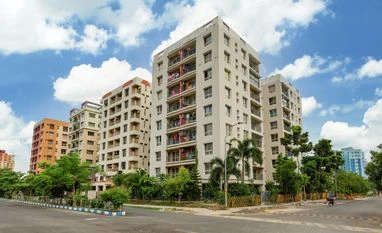
Mumbai saw 11,219 property registrations during January 2026. (Representational image)
Mumbai recorded its highest January stamp duty collections in 14 years, with property registrations generating over ₹1,012 crore for the state exchequer in January 2026, according to data released by Knight Frank India.
The city, under the Brihanmumbai Municipal Corporation jurisdiction, saw 11,219 property registrations during the month. While this marked an 8 per cent decline compared with January 2025, it was still the second-highest January registration tally over the past 14 years.
Stamp duty collections rose 2 per cent year-on-year, reflecting a higher share of large-ticket transactions. Residential properties continued to dominate market activity, accounting for nearly 80 per cent of total registrations.
Seasonal moderation after December surge
On a sequential basis, registrations declined 22 per cent in January from December 2025 levels, while stamp duty collections fell 19 per cent. Knight Frank attributed this to a seasonal slowdown typically seen in January following strong transaction activity in December.
Historical data shows that January has consistently recorded lower registrations and revenue collections compared with December across most years, including sharp drops following peak months.
Shift towards higher-value homes
The data indicates a growing tilt towards higher-priced properties. Homes priced above ₹5 crore accounted for 7 per cent of registrations in January 2026, up from 6 per cent a year earlier. Properties in the ₹2 crore to ₹5 crore range also saw their share rise to 19 per cent from 17 per cent, while the ₹1 crore to ₹2 crore segment increased to 33 per cent from 30 per cent.
In contrast, the share of homes priced below ₹1 crore declined to 42 per cent from 47 per cent, reflecting affordability pressures in the lower price bracket.
Smaller homes dominate transactions
Apartments up to 1,000 square feet continued to account for the bulk of transactions, contributing 83 per cent of registrations, in line with last year. The 500-1,000 square feet segment remained the most preferred, balancing affordability with usable space.
Larger homes saw limited traction. The share of 1,000-2,000 square feet units dipped marginally to 14 per cent, while apartments above 2,000 square feet remained stable at 3 per cent.
Suburbs anchor market activity
The western and central suburbs continued to dominate Mumbai’s housing market, together accounting for 87 per cent of registrations in January 2026. The western suburbs led with a 57 per cent share, followed by the central suburbs at 30 per cent.
South Mumbai accounted for 8 per cent of registrations, while central Mumbai’s share slipped to 5 per cent.
Commenting on the trends, Shishir Baijal, chairman and managing director, Knight Frank India, said, “Mumbai’s housing market began 2026 on a firm footing, recording its highest January stamp duty collections in 14 years, driven by a clear shift toward higher-value transactions. While registration volumes eased year-on-year by 8 per cent, this partly reflects typical January seasonality and some operational disruptions toward month end.”
He added that the resilience in revenue pointed to sustained end-user confidence supported by stable economic conditions and ongoing infrastructure development, with the growing share of premium home purchases indicating a structurally healthier market.

 "Mumbai stamp duty collections hit 14-year January high at ₹1,012 crore")



