Home / Industry / News / Solar policy 2024 in Delhi: Rooftop system to mint 'zero' electricity bills
Solar policy 2024 in Delhi: Rooftop system to mint 'zero' electricity bills
CM Kejriwal said the aims of Delhi Solar Policy 2024 are to reduce Delhi's air pollution and help fight inflation by bringing the electricity bills of non-subsidized residential consumers to zero
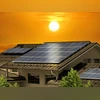
Have a sunny rooftop? Then tap into power of the sun with a solar installation system that can help cut down your electricity bills. Credits: Adobe Stock
Power consumers in Delhi have a reason to cheer as the Delhi government has formulated the Delhi Solar Policy 2024 that will not only ensure zero electricity bills but also allow them to earn by installing solar panels on rooftops of their houses.
Making amendments to State Solar Policy 2016 that resulted in 1500 MW solar power installed capacity in Delhi, Chief Minister Arvind Kejriwal-led Aam Aadmi Party (AAP) government has come out with a more consumer-friendly Solar Policy 2024 that will provide 4500 megawatts of installed capacity of solar power in Delhi by 2027.
Addressing media persons on Monday, CM Kejriwal said that the Delhi Solar Policy 2016, announced in the first term of the AAP government after coming to power in 2015, laid the foundation for solar adoption in Delhi.
"This was considered to be the most progressive solar policy in the country. Under the policy, the rooftop solar panels installed by the people in Delhi have an installed capacity of 250 MW of electricity. Besides this, various discoms in Delhi purchased 1250 MW of solar power from outside Delhi. So, in total, 1500 MW of solar power was made available under the policy. We all know that solar power reduces air pollution," he said.
CM Arvind Kejriwal said the aims of Delhi Solar Policy 2024 are to reduce Delhi's air pollution and help fight inflation by bringing the electricity bills of non-subsidized residential consumers to zero and for commercial/industrial consumers to 50 per cent of their current bill.
Power Minister Atishi and the Vice Chairperson of the Dialogue and Development Commission of Delhi, Jasmine Shah, were also present at the press conference.
The chief minister said as of now, the Delhi government gives 200 units of electricity free (fully subsidised) to residents and gives a subsidy of 50 per cent to those residential consumers who consume 201 units to 400 units a month (partly subsidized) and for those with consumption above 400 units a month, there is no subsidy.
"But electricity bills of all residential consumers who install solar panels on their rooftops by opting for this policy will be zero, no matter how much electricity they consume. That is the most important takeaway of the policy," Kejriwal said.
(Only the headline and picture of this report may have been reworked by the Business Standard staff; the rest of the content is auto-generated from a syndicated feed.)

 "Solar policy 2024 in Delhi: Rooftop system to mint 'zero' electricity bills")

