India's famed spice bazaar needs to do more to break into global markets

However, sector analysts are far from satisfied with this showing and maintain there is ample room for improvement
spices
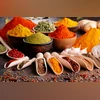
One of the most formidable challenges faced by spice exporters is the emerging competition from new entrants in the international arena, such as Vietnam, Indonesia, Brazil, and China. (Photo: Shutterstock)
Surinder Sud
5 min read Last Updated : Sep 14 2025 | 10:26 PM IST
Prima facie India’s spice sector seems to be doing quite well, with both production and export scaling new peaks in 2024-25, maintaining a steady long-term uptrend. But some glaring snags still need to be fixed to realise the true potential of this sector.
While output is estimated to have doubled over the past one decade, from less than 6 million tonnes to a record 12 million tonnes, export too has burgeoned by a whopping 88 per cent in volumes and 97 per cent in value, during this period. Net export in 2024-25 amounted to a record 1.79 million tonnes, worth around $4.72 billion. This robust performance upholds India’s historic image as the “land of spices”, which lured several explorers, including the legendary Vasco da Gama at the end of the 15th century, to this country. It also validates India’s status as the global leader in spices. 
However, sector analysts are far from satisfied with this showing and maintain there is ample room for improvement. The potential of this business is fairly high, thanks to favourable climate, a long tradition of growing annual, as also perennial, spice crops, supportive government policies, and, most importantly, rapidly growing international demand. The overall value of the country’s spice market, reckoned currently at around ₹2 trillion, can touch, or exceed, ₹5 trillion in next five years, they point out. 
The vast diversity of agro-ecological conditions in different parts of the country allows cultivation of almost all types of spices. Of the 109 varieties of spices formally recognised by the International Organisation for Standardisation, 75 are produced in India. With appropriate research & development (R&D), it should be possible to grow some of the non-traditional spices as well to further expand the country’s rich and diverse spice basket. That would allow India to bolster its standing in the global spice bazaar. 
At present, export is confined majorly to a few bulk-produced spices, such as pepper, cardamom, chilli, ginger, turmeric, cumin, celery, fennel, fenugreek, garlic, nutmeg, and mace. Actually, just five spices — chilli, cumin, turmeric, ginger, and coriander — make up over two-thirds of output and export. Unsurprisingly, therefore, despite accounting for nearly 48 per cent of global production, India’s cumulative share in the international trade of these low-volume, but high-value, commodities is relatively low. The bulk of the spices, over 75 per cent, are consumed locally. What is worse, most exports consist of raw spices rather than their processed and value-added products, such as blended spices, spice extracts, essential oils, and oleoresins. The shipments of some of the spices produced exclusively in India, including those holding the coveted Geographical Indication (GI) tag, are dismally meagre for want of adequate promotional effort. The massive, and briskly growing, demand for organic spices, especially in the developed countries, is also not being adequately capitalised upon, though India has the capacity to do so, thanks to liberal incentives being offered by the government to promote organic and natural farming. Moreover, though Indian spices find their way to around 200 countries, the bulk of the consignments land up in China, the United States, Bangladesh, and Malaysia. The United Kingdom, Saudi Arabia, Indonesia, Germany, Thailand, and the United Arab Emirates are the other major destinations. 
One of the most formidable challenges faced by spice exporters is the emerging competition from new entrants in the international arena, such as Vietnam, Indonesia, Brazil, and China. These countries are offering value-enhanced and innovative derivatives of spices to cater to the special needs of the health, wellness, and pharmaceutical (read nutraceutical) industries. As many of the common spices have therapeutic traits and immunity-boosting capacity, their demand has surged sharply in the post-pandemic period. 
Transformative action is needed on several fronts to withstand stiffening competition and retain the country’s position as the global powerhouse of spices. The foremost among the measures needed is to boost production to meet the mammoth domestic demand and yet have a larger surplus for export. Since the scope for expanding the area under these crops is limited, productivity would need to be stepped up with new technology and better agronomic practices. This would have to be done without losing sight of the need to keep the cost of production in check to sustain Indian spices’ price competitiveness in the world market. At present, less than 2 per cent of the budget for horticultural R&D goes to spice crops. This component needs to be appreciably hiked. It is also essential to ensure safe use of pesticides to keep chemical residues within permissible limits, especially in export-bound cargo, some of which is rejected at destination ports on these grounds. Meeting sanitary and phytosanitary standards is now pivotal in international trade. Addressing these issues holistically is imperative to sustain, and further consolidate, India’s dominance in the global spice bazaar.

One subscription. Two world-class reads.

Already subscribed? Log in

Subscribe to read the full story →
*Subscribe to Business Standard digital and get complimentary access to The New York Times

Smart Quarterly

₹900

3 Months

₹300/Month

SAVE 25%

Smart Essential

₹2,700

1 Year

₹225/Month

SAVE 46%
*Complimentary New York Times access for the 2nd year will be given after 12 months

Super Saver

₹3,900

2 Years

₹162/Month

Subscribe

Renews automatically, cancel anytime

Here’s what’s included in our digital subscription plans

Exclusive premium stories online

  • Over 30 premium stories daily, handpicked by our editors

Complimentary Access to The New York Times

  • News, Games, Cooking, Audio, Wirecutter & The Athletic

Business Standard Epaper

  • Digital replica of our daily newspaper — with options to read, save, and share

Curated Newsletters

  • Insights on markets, finance, politics, tech, and more delivered to your inbox

Market Analysis & Investment Insights

  • In-depth market analysis & insights with access to The Smart Investor

Archives

  • Repository of articles and publications dating back to 1997

Ad-free Reading

  • Uninterrupted reading experience with no advertisements

Seamless Access Across All Devices

  • Access Business Standard across devices — mobile, tablet, or PC, via web or app

Topics :BS Opinionspice exportIndia exports

Next Story



