Dredging problems: West Bengal and the Northeast need a deepwater port

This situation cannot be allowed to continue indefinitely, particularly given that the geopolitical situation has turned adverse
exports, imports, trade
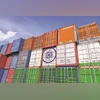
Representative Image
Business Standard Editorial Comment Mumbai
3 min read Last Updated : May 25 2025 | 11:27 PM IST
Calcutta, as it then was, was founded as a port city by an empire built on trade in the high seas. Yet today’s Kolkata port, now run as the renamed Syama Prasad Mookerjee Port, is a logistical nightmare. Some of this is due to factors beyond its control; the geomorphological characteristics of the delta are unfavourable. Kolkata never had a very deep “draught” —  the depth of the channel that can accommodate ships — but it has reduced from 9 metres to 7 metres over time due to silting. Large ocean-going container ships cannot navigate up from the mouth of the river to where Kolkata sits, 135 kilometres upriver. The “Panamax” draught, defined for tankers that can fit into the legacy Panama Canal infrastructure, is usually above 12 metres. Haldia port was built downriver in the 1970s to ease silting problems, but even there the draught can get down to 6.3 metres on many occasions, causing long delays in ship turnaround. In any case, ships have to offload large parts of their cargo before they can brave the Hooghly. Even maintaining this depth requires regular dredging and this is a constant source of battles between the port trust and New Delhi. 
This situation cannot be allowed to continue indefinitely, particularly given that the geopolitical situation has turned adverse. If relations between India and Bangladesh continue to decline, then the Northeast may not enjoy continued access to Chittagong port. Nepal and Bhutan also rely on the Hooghly ports for their imports, as does the rest of Kolkata’s extensive riverine hinterland. Restoring and renovating access to the high seas for eastern and northeastern India must be a priority. This has been understood for some time, and it is recognised that a new port will have to be built much further south in the delta. Unfortunately, this has been delayed — partly due to technical disagreements, and partly because of political disputes. The Union government is committed to Sagar Island port, 150 km south of Kolkata. Unfortunately, the draught here, while deeper than Haldia, is still not satisfactory and may require continued lightening of load in other ports. The Government of West Bengal prefers a port to be built at Tajpur, in East Midnapore district, on the western bank of the river, though its ₹25,000 crore plan to develop this with Adani Ports has fallen through. 
If the Union government is serious about restoring economic growth to eastern India, as well as ensuring the economic security of the Northeast, then major investment in the delta’s infrastructure is essential. Haldia port can remain as the hub for the riverine trade and trans-shipment, and Kolkata retains useful multi-modal capacity. But a deep-sea port that allows container ships to arrive without lightening, and which connects seamlessly with road and especially rail, must be a priority. Sagar Island is planned to connect to the railway network through Kashinagar, while Tajpur is about 6 km south of the main line between Kolkata and Odisha and an economic corridor between that area and Jharkhand is planned. Investment will certainly be needed, but the higher priority is political will and clarity. The state government and the Union government must cooperate and create an interlocking system that serves trade growth in the east.

One subscription. Two world-class reads.

Already subscribed? Log in

Subscribe to read the full story →
*Subscribe to Business Standard digital and get complimentary access to The New York Times

Smart Quarterly

₹900

3 Months

₹300/Month

SAVE 25%

Smart Essential

₹2,700

1 Year

₹225/Month

SAVE 46%
*Complimentary New York Times access for the 2nd year will be given after 12 months

Super Saver

₹3,900

2 Years

₹162/Month

Subscribe

Renews automatically, cancel anytime

Here’s what’s included in our digital subscription plans

Exclusive premium stories online

  • Over 30 premium stories daily, handpicked by our editors

Complimentary Access to The New York Times

  • News, Games, Cooking, Audio, Wirecutter & The Athletic

Business Standard Epaper

  • Digital replica of our daily newspaper — with options to read, save, and share

Curated Newsletters

  • Insights on markets, finance, politics, tech, and more delivered to your inbox

Market Analysis & Investment Insights

  • In-depth market analysis & insights with access to The Smart Investor

Archives

  • Repository of articles and publications dating back to 1997

Ad-free Reading

  • Uninterrupted reading experience with no advertisements

Seamless Access Across All Devices

  • Access Business Standard across devices — mobile, tablet, or PC, via web or app

Topics :Business Standard Editorial CommentEditorial CommentBS OpinionWest BengalNortheast India

Next Story



