Elections and their discontents

EC pushes for fiscal responsibility
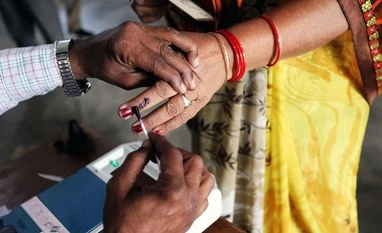
voting, elections, polls
Photo: Bloomberg
Business Standard Editorial Comment Mumbai
3 min read Last Updated : Oct 11 2023 | 11:18 PM IST
Election season is in full swing, with the Election Commission (EC) announcing the schedule for the five state Assemblies going to the polls from November 7 through 30. The results are expected on December 3. These states — with a total of 679 Assembly seats but accounting for only 83 Lok Sabha seats — are not the largest in terms of population or number of seats. The timing of these elections, however, has given them the distinction of being the “semi-finals” before the Lok Sabha elections in 2024. The other significance of these elections is the nature of the campaigning and its import on the 2024 finale. Two recent developments may test the mettle of politicians on the hustings: Caste and welfarism. The first relates to the question of caste after the recent Bihar survey reasserted the centrality of social dynamics in politics. Though the immediate fallout of the caste survey is unlikely to be seen beyond Bihar, the development in itself could spur political leaders to renew efforts to push caste fault lines in their campaigns.

Add to this dynamic the fervid religious mobilisation of the electorate that has become a staple of the electoral discourse in recent years — through soft or hard Hindutva, depending on the party in question. Both will only coarsen the already crude nature of electoral campaigning. At a time when India is seeking a larger global profile, it is critical for Indian politicians to move beyond backward-looking divisiveness on the stump and focus on delivering better outcomes for all Indians, regardless of caste or religion. The revival of the caste question in the national discourse is likely to complicate an issue that Chief Election Commissioner Rajiv Kumar raised at Monday’s press conference to announce the Assembly election schedule: Of targeted freebies announced by parties and governments ahead of elections. He referred to freebies as the tadka of populism and reminded parties of the pro forma the EC has issued for parties and states to explain to voters how and when the promises they make in their poll manifestos will be implemented. The pro forma also quizzes parties and states on such hard facts as the debt to gross domestic product ratio, interest payment to total revenue, whether they will breach targets under the Fiscal Responsibility and Budget Management Act, and whether the schemes will require imposing extra taxes on the electorate.

The idea, Mr Kumar explained, was not only to impose accountability towards fiscal consolidation but also highlight the issue in the public domain. This is not a minor issue, either. The World Bank’s latest South Asia development update had thought it critical enough to raise, pointing to increasing deficits around the election time. For instance, it is unclear how Rajasthan, now India’s fifth-most-indebted state, will deliver on the promises for an inflation relief package that included tax breaks on fuel, cooking gas subsidies, free food and domestic electricity. Last week, the Supreme Court issued notices to the Centre, the EC, and the governments of Rajasthan and Madhya Pradesh on a plea filed by a social worker seeking comprehensive guidelines barring parties from using taxpayer money for pre-poll promises and freebies. Between them, the EC and the Supreme Court have raised a critical but much ignored issue in the exercise of Indian democracy.

One subscription. Two world-class reads.

Already subscribed? Log in

Subscribe to read the full story →
*Subscribe to Business Standard digital and get complimentary access to The New York Times

Smart Quarterly

₹900

3 Months

₹300/Month

SAVE 25%

Smart Essential

₹2,700

1 Year

₹225/Month

SAVE 46%
*Complimentary New York Times access for the 2nd year will be given after 12 months

Super Saver

₹3,900

2 Years

₹162/Month

Subscribe

Renews automatically, cancel anytime

Here’s what’s included in our digital subscription plans

Exclusive premium stories online

  • Over 30 premium stories daily, handpicked by our editors

Complimentary Access to The New York Times

  • News, Games, Cooking, Audio, Wirecutter & The Athletic

Business Standard Epaper

  • Digital replica of our daily newspaper — with options to read, save, and share

Curated Newsletters

  • Insights on markets, finance, politics, tech, and more delivered to your inbox

Market Analysis & Investment Insights

  • In-depth market analysis & insights with access to The Smart Investor

Archives

  • Repository of articles and publications dating back to 1997

Ad-free Reading

  • Uninterrupted reading experience with no advertisements

Seamless Access Across All Devices

  • Access Business Standard across devices — mobile, tablet, or PC, via web or app

Topics :Election Commission of IndiaElectionElection CommissionLok Sabha

Next Story



