The recent history of the report is a particularly egregious example of this persistent societal crisis. It took nearly five years after it was submitted in 2019 for the report to be released in the public domain on August 19 this year, after legal petitions that sought to delay the release on privacy grounds were dismissed. Remarkably, retired high court judge Hema, too, had urged the government in 2020 not to release the report to protect the confidentiality of the respondents. This may have been a warranted argument. Unfortunately, the draft recommendations by a panel formed in 2022 to enhance women’s safety in the industry were so risibly inadequate that demands escalated for the full report via multiple Right-to-Information applications. The panel advised that contracts in the industry be made compulsory, alcohol and drugs banned, basic facilities ensured for women, and people with criminal backgrounds be banned on sets. It also said stringent laws must be passed based on the recommendations of the report. As the subsequent takeaways from the report revealed, it will take much more than that to ensure that women in the industry are truly safe. The report spoke of a pervasive culture of sexual harassment, that fear of retribution precluded victims from reporting it, that an “all-male mafia” dominated the industry, lack of separate toilets and changing rooms made women vulnerable to attacks, and lack of pay parity between men and women. The immediate impact of the report resulted in an explosion of “me-too” revelations that caused the resignations of the president of the Association of Malayalam Movie Artists while its executive committee was dissolved. The chairman of the Kerala Chalachitra Academy has also resigned.


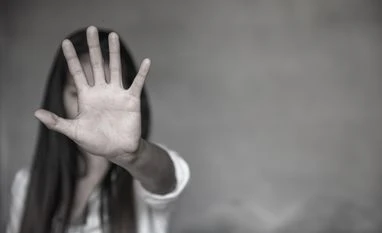 "Unsafe at any place: Hema Committee underlines distance to gender equality")









