After over 7 decades, PM Modi established social justice in J-K: LG Sinha
He said the vision of Sabka Saath Sabka Vikas Sabka Vishwas and Sabka Prayas' has removed developmental imbalances and put J-K on the path of accelerated and inclusive development
Press Trust of India Jammu Jammu and Kashmir Lt Governor Manoj Sinha on Saturday said Prime Minister Narendra Modi established social justice in the Union Territory after over seven decades of India's independence.
He said the vision of his administration is to ensure that growth must reach all sections of society and measures for equitable access to opportunities are further strengthened.
Speaking at his monthly Awaam Ki Awaaz' radio programme, the Lt Governor highlighted efforts of the government to provide social justice to build an Atmanirbhar' Jammu and Kashmir.
He also shared the stories of beneficiaries and inspiring unsung heroes that have become embodiments of transformation in Naya Jammu Kashmir'.
After more than seven decades of India's independence, the prime minister established social justice in J-K, which ensured everyone has access to equal opportunities and resources and well-being and prosperity of marginalised sections of society, the Lt Governor said.
He said the vision of Sabka Saath Sabka Vikas Sabka Vishwas and Sabka Prayas' has removed developmental imbalances and put J-K on the path of accelerated and inclusive development.
No future-oriented society can progress without people-centred governance. Our vision is to ensure that growth must reach all sections of society and measures for equitable access to opportunities are further strengthened, he said.
He said the historic decision of the inclusion of Paharis, Padari Tribes, Koli and Gadda Brahmin in Scheduled Tribes list, while safeguarding the interest of Gujjar, Bakarwals and other listed tribes is a testimony to the government's commitment towards the empowerment of all.
Dedicating the 35th edition of Awaam ki Awaaz programme' to unsung heroes and Nari Shakti' (wome power) of Jammu Kashmir, the Lt Governor also paid homage to Thakur Raghunath Singh, a nationalist thinker-writer and recalled his significant contribution to the promotion of Dogri language and culture.
He also congratulated and commended Padma Shri recipients Dogri folk singer Romalo Ram and master craftsman Ghulam Nabi Dar of Srinagar for preserving and promoting the rich art and heritage of Jammu and Kashmir.
(Only the headline and picture of this report may have been reworked by the Business Standard staff; the rest of the content is auto-generated from a syndicated feed.)


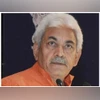 "After over 7 decades, PM Modi established social justice in J-K: LG Sinha")


