Home / World News / Black Moon in May 2023: All you may need to know about its occurrence
Black Moon in May 2023: All you may need to know about its occurrence
According to the calendar month definition, the next Black Moon will occur on December 30, 2024. But as per the seasonal definition of the term, this year's Black Moon will occur today
In the field of astronomy, the term "Black Moon" is not officially recognized, but it has two common definitions. The first definition, according to Time and Date, refers to the occurrence of a second new moon within a single month. The third new moon in a season with four new moons is included in the second definition.
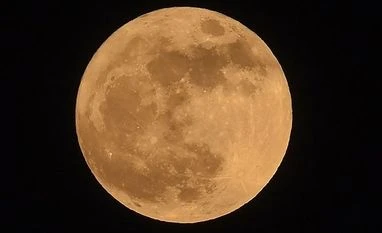
A new moon represents the phase when the moon's Earth-facing side is completely shaded, in contrast to a full moon, which completely illuminates it with sunlight. Sadly, due to the lack of significant illumination, the Black Moon will hugely remain invisible.
Black Moon 2023: When
Due to the relatively unusual phenomenon, Earth did not even record many Black Moons in 2021. The Black Moon for this year will occur on May 19, 2023, according to the seasonal definition of the term. Then again, the next occurrence of the Black Moon, in light of the definition of the second new moon in a scheduled month, is set to occur on December 30, 2024.
Black Moon 2023: How
Because of the nearby alignment between the lunar calendar and Earth's calendar year, it is standard to notice one full moon and one new moon each month. When there are two full moons in a single month, it is referred to as a "Blue Moon." On the other hand, a Black Moon is the opposite of a Blue Moon and is the second new moon in a month. These black moons, occur approximately every 29 months and are the most often observed type of black moon, according to Time and Date.
On the other hand, the second meaning of a Black Moon refers to an extra full moon within a season. Since Earth's seasons are usually large about 90 days long, they typically comprise three new moons. In any case, when a season envelops four new moons, the third new moon is named a Black Moon. These seasonal Black Moons occur approximately every 33 months, according to Time and Date.

 "Black Moon in May 2023: All you may need to know about its occurrence")

