Home / World News / China uses food as high-impact, low-cost weapon in trade war against US
China uses food as high-impact, low-cost weapon in trade war against US
Agricultural tariffs, which run from 10 per cent to 15 per cent on an expansive list of items including grains, proteins, cotton, and fresh produce, follow initial action on energy and minerals
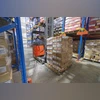
Boxes of imported pork from the US at a cold storage warehouse in Shanghai | Image Bloomberg
Chinese tariffs on a slew of American farm products have officially come into effect, the latest retaliation in the unfolding trade war between the world’s top two economies.
China’s willingness to use food as a countermeasure against the US, historically one of its biggest providers, underscores both the government’s success in boosting agricultural self-sufficiency and the impact of a slowing economy on demand.
The agricultural tariffs, which run from 10 per cent to 15 per cent on an expansive list of items including grains, proteins, cotton, and fresh produce, follow initial action focused on energy and critical metals. Soybean imports from three US firms, as well as all American timber purchases, have also been halted.
In a separate move on Saturday, Beijing imposed retaliatory tariffs on a range of Canadian agricultural goods that will come into effect on March 20.
Ensuring that 1.4 billion citizens are adequately fed continues to top the policy agenda. While China remains a key export market for largely Republican states in the Midwest farm belt, Beijing’s efforts to reconfigure supply chains after the trade war during the first Trump presidency have weakened Washington’s leverage.
The Chinese economy’s disappointing recovery from the pandemic has yielded one bright spot: a surfeit of food. Dealing with the impact of domestic oversupply has taken on more urgency. Local wheat prices are around five-year lows and corn imports have collapsed. The latest data on Sunday showed deflation taking hold of consumer prices, driven by a steep decline in food.
The government has responded by trying to protect its farmers. Traders have been asked to limit overseas purchases of grains including barley and sorghum, while shipments of soybeans have been delayed.
Beijing’s enthusiasm for trade probes and levies in recent months, targeting items from rapeseed and pulses to seafood, meat and dairy, suggest policymakers aren’t overly perturbed by creating barriers to imports, particularly on premium items that have borne the brunt of penny-pinching by households.
Backstopping all these efforts is record grain output, and a determination to use this period of plenty to build reserves. At its annual legislative meeting that concludes this week, the government raised both its production target for the year and its budget for stockpiling.
More technical measures, such as reducing soybean meal in animal rations, are also being promoted, an indication of persistent anxiety over the vulnerability of livestock herds to foreign soy supplies.
Soybeans happen to be America’s top agricultural export to China, worth nearly $13 billion in 2024, and the focus of intense efforts in recent years to shift the country’s dependence to other, less antagonistic, suppliers such as Brazil.
The seasonality of world production will leave the South American nation accounting for the bulk of Chinese imports until at least the fourth quarter, which probably leaves the 10 per cent tariff on US beans neither here nor there over the coming months.
Of course, the government will want to get the economy motoring, and a big part of that will be enticing shoppers to open their wallets. Successful stimulus from the authorities could see food prices rise and the thinking on imports change. The crop impact of extreme weather brought on by climate change would also affect calculations.
But in the meantime, in targeting American farm goods, Beijing is deploying one of the higher-impact, lower-cost weapons in its trade arsenal.
On the Wire
Steel prices could rise following China’s National People’s Congress pledge to cut output in China’s struggling steel industry, according to Bloomberg Intelligence.
It’s almost unthinkable, but Tesla Inc., the company that comes to mind when most people think about electric vehicles, may have had its best days in China, the world’s biggest and most advanced EV market.
China said it will impose retaliatory tariffs on imports of rapeseed oil, pork and seafood from Canada as the trade war escalates. Canola futures sank by the exchange limit.
China’s consumer inflation dropped far more than expected to fall below zero for the first time in 13 months, an assessment skewed by seasonal distortions but also a sign of deflationary pressures persisting in the economy.
Successive rounds of sanctions on companies and tankers said to be aiding Tehran are finally slowing the flow of Iranian oil to China, as costs rise and more traders are compelled to engage in risky efforts to circumvent US measures.


 "China uses food as high-impact, low-cost weapon in trade war against US")


