Home / World News / Fed remained optimistic on disinflation despite doubts, shows minutes
Fed remained optimistic on disinflation despite doubts, shows minutes
Officials since that meeting have tamped down expectations for imminent interest rate cuts, which investors now see beginning in September
Firms ranging from McDonald's to PepsiCo have flagged in recent weeks the strain that U.S. consumers are under due to sticky food inflation and the rising costs of eating out, renting homes and getting a mortgage.
Even as they acknowledged disappointment over recent inflation readings, Federal Reserve officials at their last policy meeting indicated they still had faith price pressures would ease, if only slowly, according to the minutes of the U.S. central bank's April 30-May 1 session.
"Participants ... noted that they continued to expect that inflation would return to 2% over the medium term," the minutes said, but "the disinflation would likely take longer than previously thought."
While the policy response for now would "involve maintaining" the central bank's benchmark policy rate at its current level, the minutes, released on Wednesday, also reflected discussion of possible further hikes.
"Various participants mentioned a willingness to tighten policy further should risks to inflation materialize in a way that such an action became appropriate," employing a modifier that doesn't fit in the usual set of words, like some, many, and most, used in the minutes to give a sense of how many officials voiced a particular opinion.
The minutes also reflected debate about just how restrictive current monetary policy is given the strength of the economy, an important discussion given the need for policy to be "sufficiently" restrictive to cool inflation.
Officials since that meeting have tamped down expectations for imminent interest rate cuts, which investors now see beginning in September.
But even as Fed officials acknowledged the risk of inflation pressures again building in the economy, they largely viewed the data from the start of the year as a temporary setback in the battle to return inflation to the central bank's 2% target.
The meeting was the sixth straight to feature no change in interest rates. Policymakers at this point seem likely to keep the Fed's benchmark rate on hold in the 5.25%-5.50% range until September at least, after their confidence in easing price pressures was shaken by higher-than-expected inflation through the first three months of this year.
EMERGING SIGNS
Fed Chair Jerome Powell, at his post-meeting press conference on May 1, said it "will take longer than previously expected" for policymakers to become comfortable that inflation will resume the decline towards 2% that had cheered them through much of last year.
In the weeks since then, however, some signs have emerged that inflation is again easing, demand is softening and the labor market is coming more into balance. Fed officials are watching closely for signs of a possible slowdown in consumption, and warnings from consumer-facing companies point in that direction.
Firms ranging from McDonald's to PepsiCo have flagged in recent weeks the strain that U.S. consumers are under due to sticky food inflation and the rising costs of eating out, renting homes and getting a mortgage.
"We remain cautious in our near-term growth outlook and we expect consumer discretionary trends to remain pressured in the short-term," Christina Hennington, chief growth officer for Target, said on Wednesday in a media call to discuss the retailer's quarterly results.
Still, Fed officials have said that gaining "greater confidence that inflation is moving sustainably toward 2 percent" - a standard for pivoting to rate cuts that they have embedded in their policy statements since January - will take more time.
On Tuesday, Fed Governor Christopher Waller put the time frame at "several months."
"In the absence of a significant weakening in the labor market, I need to see several more months of good inflation data before I would be comfortable supporting an easing in the stance of monetary policy" he told the Peterson Institute for International Economics in Washington.

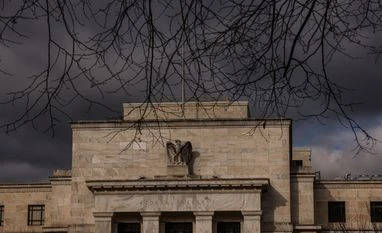 "Fed remained optimistic on disinflation despite doubts, shows minutes")


 Connect with us on WhatsApp