
Fukushima nuclear plant releases radioactive waste water into sea
In a live video from a control room at the plant Thursday, Tokyo Electric Power Company Holdings showed a staff member turn on a seawater pump
 "Fukushima nuclear plant releases radioactive waste water into sea")
Explore Business Standard
In a live video from a control room at the plant Thursday, Tokyo Electric Power Company Holdings showed a staff member turn on a seawater pump
The operator of the tsunami-wrecked Fukushima Daiichi nuclear power plant says it has begun releasing its first batch of treated radioactive water into the Pacific Ocean.
In a live video from a control room at the plant Thursday, Tokyo Electric Power Company Holdings showed a staff member turn on a seawater pump, marking the beginning of the controversial project that is expected to last for decades.
Seawater pump A activated," the main operator said, confirming the release was underway.
Japanese fisher groups have opposed the plan out of worry of further damage to the reputation of their seafood. Groups in China and South Korea have also raised concern, making it a political and diplomatic issue.
But the Japanese government and TEPCO say the water must be released to make room for the plant's decommissioning and to prevent accidental leaks. They say the treatment and dilution will make the wastewater safer than international standards and its environmental impact will be negligibly small. But some scientists say long-term impact of the low-dose radioactivity that remains in the water needs attention.
The water release begins more than 12 years after the March 2011 nuclear meltdowns, caused by a massive earthquake and tsunami. It marks a milestone for the plant's battle with an ever-growing radioactive water stockpile that TEPCO and the government say have hampered the daunting task of removing the fatally toxic melted debris from the reactors.
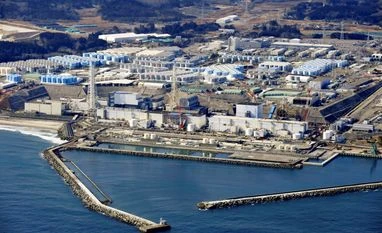
The pump activated Thursday afternoon would send the first batch of the diluted, treated water from a mixing pool to a secondary pool, where the water is then discharged into the ocean through an undersea tunnel. The water is collected and partly recycled as cooling water after treatment, with the rest stored in around 1,000 tanks, which are already filled to 98% of their 1.37-million-ton capacity.
Those tanks, which cover much of the plant complex, must be freed up to build the new facilities needed for the decommissioning process, officials said.
First Published: Aug 24 2023 | 10:44 AM IST


