
G7 price cap on Russian oil, recent action by Indian refiners working: US
Since October, the US has enforced the price cap with sanctions including designating in February Sovcomflot (SCF), Russia's state-owned shipping company
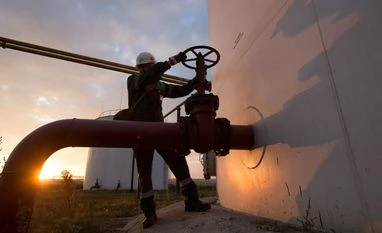 "G7 price cap on Russian oil, recent action by Indian refiners working: US")
WebinarsNew
Deep DiveNew
Explore Business Standard
Since October, the US has enforced the price cap with sanctions including designating in February Sovcomflot (SCF), Russia's state-owned shipping company
The G7 price cap on Russian oil shipments is cutting the revenue that Moscow has available to support its invasion of Ukraine, and the mechanism's effectiveness is helped by the recent actions of Indian refiners, US officials will tell an event in New Delhi on Thursday, according to prepared remarks.
The US Treasury officials, Eric Van Nostrand, assistant secretary for economic policy, and Anna Morris, acting assistant secretary for terrorist financing, will make the remarks at an event held by the Ananta Aspen Centre in New Delhi, the Treasury told Reuters on Wednesday.
"We know that the Indian economy has much at stake in the Russian oil trade, and has much at stake from the global supply disruptions that the price cap is designed to avoid," the officials will say.
India has been one of the top consumers of Russian oil since Western sanctions have shifted the market for the crude from Europe to Asia, imposing costs on Russia for relying on a "shadow fleet" of aging tankers to ship it further.
New Delhi has traditionally had close economic and defense ties with Moscow and refrained from criticizing Russia over its war in Ukraine. But last week the foreign ministers of Ukraine and India said they had agreed to restore trade and cooperation to levels before the Russian invasion of Ukraine.
The price cap imposed by the G7 countries, the European Union and Australia bans the use of Western maritime services such as insurance, flagging and transportation when tankers carry Russian oil priced at or above $60 a barrel. The West imposed the mechanism after Russia's February 2022 invasion of Ukraine.
The US officials are in India this week meeting with government officials and business leaders to discuss cooperation on anti-money laundering, countering the financing of terrorism, and implementation of the price cap.
Since October, the US has enforced the price cap with sanctions including designating in February Sovcomflot (SCF), Russia's state-owned shipping company.
The actions on Russia are helped by moves by international refiners, including India's Reliance Industries, to not buy Russian oil loaded on SCF tankers, the officials will say.
"Our efforts are bolstered by international support for these enforcement actions, like the recent decision from private and publicly owned refineries to halt imports on Sovcomflot ships," the Treasury officials will say.
Enforcement of the price cap on Russian oil has hit the price that Russia can get for its oil in global markets, reducing revenues for its war on Ukraine, the officials will say.
The Treasury estimates that the discount of Russian Urals oil to the Brent international benchmark has widened from about $12-$13 a barrel before October to $18 in January and to about $17 to $18 in February, the last month with data available, the officials will say.
"The United States, together with the rest of the (price cap) coalition, will need to remain vigilant and ensure that the policy, its implementation, and enforcement are deployed to inflict financial burden on Russia and keep global energy markets stable," the officials will say.
(Only the headline and picture of this report may have been reworked by the Business Standard staff; the rest of the content is auto-generated from a syndicated feed.)
First Published: Apr 04 2024 | 7:14 AM IST


 Connect with us on WhatsApp