Net Zero by 2050 still possible with rapid renewables expansion: IEA
The report comes amid concerns of backsliding on climate and environmental commitments in Europe after the UK deferred its own ban on combustion engine cars by five years to 2035
Bloomberg By Ellie Harmsworth
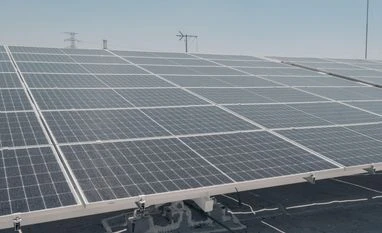
Achieving net zero by 2050 is still possible, but requires tripling renewable energy capacity by the end of the decade and increasing green investments to $4.5 trillion a year globally by the early 2030s, according to a new report from the International Energy Agency.
The assessment comes even as global greenhouse gas emissions reached a new record in 2022, fossil-fuel use increased and the world experienced its hottest summer on record. However, the Paris-based agency says that rapid increase in renewable energy deployment still makes it possible to turn the ship around.
The IEA’s recommendations include building out renewable energy capacity to 11,000 gigawatts by 2030, and increasing global investment into clean energy from an estimated $1.8 trillion in 2023 to around $4.5 trillion annually by the start of the 2030s.
The report comes amid concerns of backsliding on climate and environmental commitments in Europe after the UK deferred its own ban on combustion engine cars by five years to 2035. The EU has also faced growing concerns over the pace of its transition, yet has so far managed to pass all elements of its landmark green deal.
Last week, top emitter China’s climate envoy said that phasing out fossil fuels completely was an “unrealistic” goal.
However, the IEA claws back the possibility of meeting the Paris Agreement target of limiting global warming to well below 2 degrees celsius, striving for 1.5C, but argues that more needs to be done in order to aid the energy transition away from fossil fuels, including a “unified effort” from governments and lawmakers across the globe.
By 2035, emissions need to decline by 80% in advanced economies and 60% in emerging market and developing economies compared to the 2022 level,” the report says. “As part of an equitable pathway to the global goal of net zero emissions by 2050, almost all countries need to bring forward their targeted net zero dates.”

 "Net Zero by 2050 still possible with rapid renewables expansion: IEA")


 Connect with us on WhatsApp