
Nobel for atomic bombing survivors shows need for peace: Japan's Empress
Japanese Empress Masako felt anew the importance for the people of the world to strive for mutual understanding and work together in order to build a peaceful world
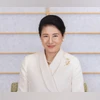 "Nobel for atomic bombing survivors shows need for peace: Japan's Empress")
Explore Business Standard
Japanese Empress Masako felt anew the importance for the people of the world to strive for mutual understanding and work together in order to build a peaceful world
Japanese Empress Masako said the Nobel Peace Prize awarded to Nihon Hidankyo, an organisation of survivors of the US atomic bombings of Hiroshima and Nagasaki, was a key event of this year that impressed and reminded her of the importance of global peace efforts.
Masako, the wife of Emperor Naruhito, said she thought of the pain and suffering of the survivors and struggles of those who have long led the nuclear disarmament effort.
She felt anew the importance for the people of the world to strive for mutual understanding and work together in order to build a peaceful world, Masako said in a statement released by the Imperial Household Agency for her 61st birthday Monday.
Her comment comes one day before a group of 30 atomic bombing survivors will attend Tuesday's Nobel prize award ceremony in Oslo.
Hidankyo was awarded for its decadeslong activism against nuclear weapons. The 30 survivors, known as hibakusha, see the prize and the international attention as a last chance to get their message to younger generations.
Terumi Tanaka, a 91-year-old survivor of the Nagasaki bombing who will speak at the award ceremony, told reporters after arriving in Oslo that he planned to talk about the survivors' campaign and their demand that nuclear weapons must be abolished.
I plan to make an even stronger plea for what hibakusha have sought and convey our hope for the younger generations to take over, Tanaka said.
He has said he feels hibakushas' sufferings are not fully understood and that he hoped to raise awareness about the need to join hands to achieve a world without nuclear weapons.
The first US atomic bombing killed 140,000 people in the city of Hiroshima. A second on Nagasaki on Aug 9, 1945, killed another 70,000. Japan surrendered on Aug 15, ending World War II and its nearly half-century aggression in Asia.
The war was fought in the name of Emperor Hirohito, grandfather of Naruhito.
Masako, a Harvard-educated former diplomat, has been struggling with adjustment disorder since 2003, soon after giving birth to Princess Aiko, the only child between her and Naruhito, following intense pressure to bear a male heir for the monarchy. She has made a number of public appearances this year, but palace doctors say she needs time to recover after major events or a busy schedule.
The 1947 Imperial House Law, which largely preserves conservative prewar family values, allows only males to take the throne and forces female royals who marry outside the family to give up their status.
(Only the headline and picture of this report may have been reworked by the Business Standard staff; the rest of the content is auto-generated from a syndicated feed.)
First Published: Dec 09 2024 | 12:34 PM IST


