OPEC meeting to shape India's Russian oil purchases as May levels stay high

Bloc members led by Saudi Arabia and Russia are holding a ministerial meeting on June 2 to decide the fate of global oil production
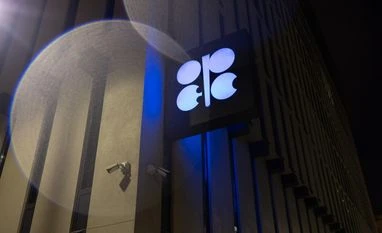
opec
Photo: Bloomberg
S Dinakar New Delhi
4 min read Last Updated : May 31 2024 | 11:37 PM IST
The extent of India’s imports of cheap, discounted Russian oil, which is linked to the financial health of oil marketing companies led by Indian Oil, in 2024 hinges on the outcome of a meeting of some of the world’s top oil exporting nations in early June, said industry officials.

Meanwhile, India continued to consolidate its lead over China over imports of seaborne crude oil from Russia in May, increasing purchases over its northern neighbour by over 650,000 barrels per day (bpd0 or by around 50 per cent. Indian refiners sourced 4 per cent more crude in May on the month to around 2 million bpd, the highest level since July 2023, cementing the country's status as the world's biggest buyer of seaborne Russian oil, according to industry sources and ship tracking data.

Russian crude supplies to India climbed to 1.98 million bpd in May compared to 1.9 million bpd in April, according to Paris-based market intelligence agency Kpler. India last imported over 2 million bpd in July 2023, with the share of Russian oil in total imports at 44 per cent. The share of Russian oil increased to nearly 41 percent of India's total imports of 4.85 million bpd in May from 39.6 per cent of April's 4.8 million bpd.

The Russian cargoes, purchased on spot terms on delivered basis, were booked in March for May deliveries, and state-run refiners are in talks now with Russian traders for July shipments, two refining sources said. Indian refiners expect Russian purchases to hold at current levels until July but they are unsure about the extent of imports for the rest of the year—the outcome will depend on the OPEC+ meeting.

A crucial ministerial-level meeting of OPEC+, the world’s top oil exporters, on June 2  will determine if some portion of the 5.6 million b/d of crude that was taken off the market since 2022 will come back in the second half of 2024.

“Market expectations have shifted to an extension of the latest 2.2 million b/d tranche of voluntary cuts by eight members, with the option of additional action to support prices,” said United States (US) information provider Energy Intelligence. Serious issues will need to be resolved later on how to bring back the large volumes taken off the market since 2022 as non-Opec-plus supply grows.

In case of some reduction in Russian oil production after the meeting it could impact Indian imports, said Prashant Vasisht, senior vice-president and co-group head, corporate ratings for ratings agency ICRA, a US Moody’s affiliate. That in turn will hurt refining margins of Indian Oil, Bharat Petroleum and Hindustan Petroleum among others, industry officials said.

“Russian oil is being imported in large quantities by Indian refiners, which is aiding their gross refining margins especially when diesel and petrol cracks are quite low,” Vasisht said. “Though discounts have come down Russian oil is aiding the companies in posting better profits.”

Greater availability of Russian crude on non-sanctioned vessels belonging to a thriving 700-strong shadow fleet has helped India evade the sanction noose of the US and average 1.9 million bpd of purchases in fiscal 2024/25 after averaging only 1.5 million bpd in the December-March period of 2023-24 fiscal, according to Kpler. US sanctions on the Russian shipping fleet led by Russian state-owned shipping behemoth Sovcomflot are having no impact on Indian purchases as the shadow fleet is huge, an Indian refiner said.

Urals cargoes, which accounted for 78 percent of India’s Russian purchases in May, were shipped in non-sanctioned vessels, among them ‘Fos Picasso’, ‘Suez Fury’, ‘Isabella’, ‘Rhea’, ‘Orion’, ‘Katiuska’, ‘Nemo’, ‘Firn’, and ‘Hydra’. These vessels do not seem affiliated with Sovcomflot or any sanctioned ship managers, according to ship tracking data. India is using non-sanctioned vessels to ship Russian cargoes, industry officials said.

China imported around 1.33 million bpd of Russian crude via tankers last month, near flat from April, according to Kpler. The country also receives the fuel via cross-country pipelines from Russia and Central Asia. Chinese purchases had surged in March to a record 1.7 million bpd in March after buying over 13 million barrels of Sokol crude rejected by Indian refiners for fear of US sanctions.


India, China imports of Russian seaborne crude    
in 000 b/d    
Month India China
April 2024 1,890 1,350
May 2024* 1,980 1,330
     
India Company wise Russian oil imports     
     
in 000 b/d April May
Indian Oil 458 450
Reliance 428 370
Nayara 271 280
BPCL 252 252
     

Source: Kpler, as on 31 May
 

One subscription. Two world-class reads.

Already subscribed? Log in

Subscribe to read the full story →
*Subscribe to Business Standard digital and get complimentary access to The New York Times

Smart Quarterly

₹900

3 Months

₹300/Month

SAVE 25%

Smart Essential

₹2,700

1 Year

₹225/Month

SAVE 46%
*Complimentary New York Times access for the 2nd year will be given after 12 months

Super Saver

₹3,900

2 Years

₹162/Month

Subscribe

Renews automatically, cancel anytime

Here’s what’s included in our digital subscription plans

Exclusive premium stories online

  • Over 30 premium stories daily, handpicked by our editors

Complimentary Access to The New York Times

  • News, Games, Cooking, Audio, Wirecutter & The Athletic

Business Standard Epaper

  • Digital replica of our daily newspaper — with options to read, save, and share

Curated Newsletters

  • Insights on markets, finance, politics, tech, and more delivered to your inbox

Market Analysis & Investment Insights

  • In-depth market analysis & insights with access to The Smart Investor

Archives

  • Repository of articles and publications dating back to 1997

Ad-free Reading

  • Uninterrupted reading experience with no advertisements

Seamless Access Across All Devices

  • Access Business Standard across devices — mobile, tablet, or PC, via web or app

Topics :OPEC oil dealOpec dealOil productioncrude oil productionOil producersMiddle EastWest Asia and the GulfSaudi ArabiaSaudi Aramco

Next Story



