Home / World News / Over 4 ,00,000 Afghans return home from Pak following crackdown on migrants
Over 4 ,00,000 Afghans return home from Pak following crackdown on migrants
An estimated 1.7 million Afghans had been living in Pakistan when authorities announced its nationwide crackdown, saying that anyone without proper documents had to leave the country by October 31
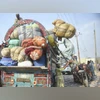
Karachi: Afghan refugees living in Pakistan prepare to leave the country. (Photo: PTI)
More than 400,000 Afghans returned to their home country following the ongoing crackdown on illegal foreigners in the country, Pakistani authorities said Monday.
Zabihullah Mujahid, chief spokesperson of the Taliban-led government in Afghanistan, confirmed the number and told The Associated Press that the majority have been using the border crossings of Torkham and Spin Boldak to return home.
An estimated 1.7 million Afghans had been living in Pakistan when authorities announced its nationwide crackdown, saying that anyone without proper documents had to leave the country by October 31 or else get arrested.
However, Pakistani officials said the other 1.4 million Afghans registered as refugees need not worry as only people without proper documentation were sought after.
In the 1980s, millions of Afghans fled to neighboring Pakistan during the Soviet occupation of their country. The numbers witnessed a spike after the Taliban takeover of Afghanistan in 2021.
Pakistan also introduced plans under which hundreds of thousands of residents in the southwestern border town of Chaman would need visas to cross between the two countries. They previously had special permits.
On Monday, hundreds briefly blocked a key road leading to the Chaman border, disrupting traffic and the repatriation of some of the Afghans.
Residents in Chaman have been protesting repeatedly, asking Pakistan to allow them to continue using the special permits for business purposes and to meet with relatives who live in the Afghan border city of Spin Boldak.
Since November 1, police in Pakistan have been going door-to-door to check migrants' documentation. Pakistani officials had said before that the crackdown involves all foreigners in the country, but most of those affected are Afghan nationals.
The latest development comes days after the World Health Organization warned that about 1.3 million Afghans were expected to return to their country of origin from Pakistan despite the onset of cold weather. Such expulsions have drawn widespread criticism from international and domestic human rights groups.
The Taliban-led administration in Afghanistan said it was providing shelter and food to returnees.
(Only the headline and picture of this report may have been reworked by the Business Standard staff; the rest of the content is auto-generated from a syndicated feed.)

 "Over 4 ,00,000 Afghans return home from Pak following crackdown on migrants")

