Pragyan rover spots 160-km-wide oldest geological crater on Moon's surface

Chandrayaan-3 mission discovered a 160-km-wide crater on the Moon's South Pole, revealing key details about lunar geological history. The crater was discovered by the Pragyan rover
Space sector, chandrayaan III 3
Sudeep Singh Rawat New Delhi
2 min read Last Updated : Sep 23 2024 | 4:58 PM IST
The Chandrayaan-3 mission of the Indian Space Research Organisation (Isro) has brought fresh excitement among science enthusiasts. In the recent finding, the Pragvan rover discovered the ancient lunar crater. The crater is 160 km in diameter, and is believed to predate the moon’s largest and oldest known impact basin, called the South Pole-Aitken (SPA) basin.

The data collected from the Pragyan rover and Vikram lander completed their mission on September 3, 2023, and entered sleep mode. 

Ancient crater older than the SPA basin

The scientists at PRL Ahmedabad have detailed the findings in a paper titled Chandrayaan-3 Landing Site Evolution by South Pole-Aitken Basin and Other Impact Craters. The scientist also revealed that the Chandrayaan-3 landed on a much older buried impact crater from the rim of the SPA basin. The ancient crater likely formed long before the SPA basin itself. 

New insights Into lunar history

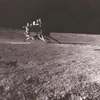
The high-resolution Navcam and optical cameras of the Pragyan rover have captured a “semi-circular, heavily degraded structure” near the landing site. This is one of the moon’s oldest geological features, buried under debris or ejecta from the SPA basin and nearby zones. The recent findings are already helping researchers across the world to understand lunar evolutions and they could play a critical role in future missions like Chandrayaan-4, which is scheduled to take place in 2027.

The significant finding took place when the Pragyaan rover traversed the highland terrain at its landing site, approximately 350 km from the South Pole-Aitken basin, which is the largest and oldest basin on the lunar surface. 

The crater is believed to have formed even before the creation of the Pole-Aitken basin, making it one of the moon's oldest geological structures. The crater is mostly buried by debris from later impacts due to the crater's age. This is particularly from the South Pole-Aitken event and it has started degrading over time. 

Some images taken by Pragyan rover's navigation and optical high-resolution cameras revealed the structures of this ancient crater offering vital clues about the geological history of the moon. The latest discovery is a huge opportunity for all the scientists with a rare opportunity to study deeply buried lunar material.

*Subscribe to Business Standard digital and get complimentary access to The New York Times

Smart Quarterly

₹900

3 Months

₹300/Month

SAVE 25%

Smart Essential

₹2,700

1 Year

₹225/Month

SAVE 46%
*Complimentary New York Times access for the 2nd year will be given after 12 months

Super Saver

₹3,900

2 Years

₹162/Month

Subscribe

Renews automatically, cancel anytime

Here’s what’s included in our digital subscription plans

Exclusive premium stories online

  • Over 30 premium stories daily, handpicked by our editors

Complimentary Access to The New York Times

  • News, Games, Cooking, Audio, Wirecutter & The Athletic

Business Standard Epaper

  • Digital replica of our daily newspaper — with options to read, save, and share

Curated Newsletters

  • Insights on markets, finance, politics, tech, and more delivered to your inbox

Market Analysis & Investment Insights

  • In-depth market analysis & insights with access to The Smart Investor

Archives

  • Repository of articles and publications dating back to 1997

Ad-free Reading

  • Uninterrupted reading experience with no advertisements

Seamless Access Across All Devices

  • Access Business Standard across devices — mobile, tablet, or PC, via web or app

More From This Section

Topics :ISROChandrayaan-3moon mission

First Published: Sep 23 2024 | 4:58 PM IST

Next Story
