US President Joe Biden on Sunday met virtually with his counterparts from Japan and the Philippines to advance cooperation among the three countries, the White House said.
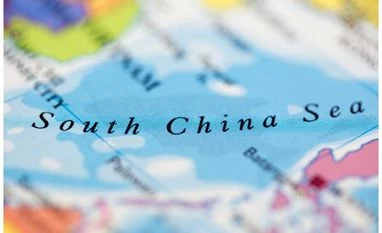
The three leaders discussed trilateral maritime security and economic cooperation, and China's "dangerous and unlawful behaviour in the South China Sea," it said in a statement.
"The three leaders agreed on the importance of continued coordination to advance a free and open Indo-Pacific." Biden spoke with Japanese Prime Minister Ishiba Shigeru and Philippine President Ferdinand Marcos Jr. late on Sunday, a week before Biden leaves office and hands power to President-elect Donald Trump on Jan. 20.
Manila said the three countries, which met for a trilateral summit in Washington in April, agreed to further strengthen their ties in the face of growing tensions in regional waters.
The South China Sea, a conduit for more than $3 trillion of annual ship-borne commerce, has been plagued by rising tensions for years. China claims almost the entire South China Sea despite a 2016 ruling by the Permanent Court of Arbitration found Beijing's sweeping claims had no legal basis.
The US has increased its security engagements with the Philippines under Marcos, securing expanded access to Philippine bases.
The White House statement made no mention of any discussion about Nippon Steel's planned acquisition of US Steel, which Biden blocked on Jan. 3 citing national security concerns.
Japan's foreign ministry said Ishiba asked Biden to allay concerns in the Japanese and US business communities over the decision, noting that cooperation among allies and like-minded countries was indispensable for establishing resilient supply chains.
The White House had no immediate comment on the reported discussion.
(Only the headline and picture of this report may have been reworked by the Business Standard staff; the rest of the content is auto-generated from a syndicated feed.)

 "US, Japanese, Philippine leaders discuss China's behaviour in S China Sea")


