Home / World News / Writ petition filed against Nepal PM Prachanda on use of child soldiers
Writ petition filed against Nepal PM Prachanda on use of child soldiers
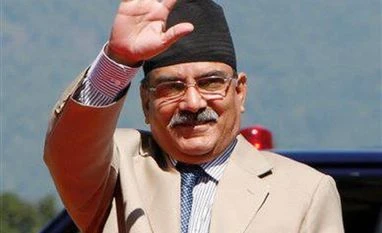
A writ petition was registered at the Supreme Court seeking the prosecution of Prime Minister Pushpa Kamal Dahal Prachanda', the then Maoist supreme commander, for using children as soldiers
2 min read Last Updated : Jun 11 2023 | 9:54 PM IST
A writ petition was on Sunday registered at the Supreme Court seeking the prosecution of Prime Minister Pushpa Kamal Dahal Prachanda', the then Maoist supreme commander, for using children as soldiers during the decade-long war against the monarchy in Nepal.
Lenin Bista, a former child soldier, approached the apex court with a writ petition claiming that the then-leadership breached international humanitarian law by using child soldiers in the Maoists' war.
Prachanda was chief of the erstwhile rebel Maoist party and former premier Baburam Bhattarai second-in-command.
According to court sources, the petitioner demanded the prosecution of Prachanda and Bhattarai, arguing that it was a war crime to force unintelligent minors like him as child soldiers and forcefully expel them from the camp as disqualified combatants.
Earlier, the Supreme Court administration had refused to register Bista's petition. The petitioner then approached the court against its dismissal.
On Friday, a single bench of Justice Ananda Mohan Bhattarai ordered the registration of the writ.
The date of hearing on the writ petition has been fixed for June 13.
The United Nations Mission in Nepal had disqualified 4,008 soldiers of the Peoples Liberation Army of then-rebel CPN-M, saying they were minors and late recruits.
During the verification that ended in December 2007, it was found that 2,972 guerrillas were minors, while 1,036 were recruited into the Nepal Army under the army integration process in accordance with the Comprehensive Peace Accord signed in 2006 when the Maoists joined politics by laying down arms. However, the Maoist leadership delayed their release.
The "disqualified" child soldiers spent three years in cantonments hoping to receive rehabilitation packages.
More than 16,000 people lost their lives during the decade-long Maoist insurgency against the monarchy that ended in 2006 through a peace deal with the then government.
(Only the headline and picture of this report may have been reworked by the Business Standard staff; the rest of the content is auto-generated from a syndicated feed.)


 "Writ petition filed against Nepal PM Prachanda on use of child soldiers")

