Sai did not share a detailed breakup of the investment proposal but said the government has assured electricity, drinking water, healthcare facilities and schools across all seven Naxal-affected districts by 2030. A senior state government official said the plan is to spend the funds on building roads and mobile towers, apart from tourism infrastructure. He said this proposal, separate from the Rs 1.25 trillion investment proposals received from the private sector in July, has been submitted to the Centre.
Sai said the government will undertake mapping of previously unmapped regions such as Abujhmad, which had remained outside regular surveys for decades. The chief minister also referred to industrial initiatives under the state’s policy framework, saying work on a semiconductor manufacturing unit and an AI-based data centre has begun. Under the new industrial policy, companies investing Rs 1,000 crore or generating employment for 1,000 local people will be eligible for special incentives.
Sai claimed that the state received investment proposals worth Rs 8 trillion over the past year, adding that several projects have already moved into the implementation phase.
The chief minister said the state has already made significant administrative inroads in areas that were earlier beyond government access due to security constraints. Around 400 villages have now been connected through roads, power supply, water facilities and ration delivery.


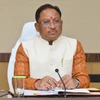 "Vishnu Deo Sai, Chief Minister of Chhattisgarh")