It is expected to boost the sowing of these major cash crops and provide remunerative prices to the UP farm community.
UP is among India's top agricultural-producing states. Its food grain production jumped from 55.7 million tonnes (mt) in 2016-17 to nearly 72.5 mt in 2024-25.
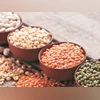
To access free minikits containing pulses and oilseeds, state farmers will need to apply online. The eligible farmers for one million minikits will be selected by a lottery, according to UP Agriculture Minister Surya Pratap Shahi.
He said the farmers are already receiving the rabi seeds of high-yielding crop varieties, such as wheat, gram, peas, mustard, etc, at a 50 per cent subsidy.
This initiative, launched across 75 districts, aims to make both India and UP self-reliant in the production of pulses and oilseeds, thereby reducing imports.
Additionally, the state will organise over 7,600 ‘kisan pathshalas' (farmers' classes) to provide farmers with modern agricultural knowledge aimed at increasing crop yields and reducing damage from pests and diseases.
Shahi stated that the Yogi Adityanath government has ensured sufficient supplies of both seeds and fertilisers for the rabi season.
He asserted that there is no shortage of fertilisers (urea) or other essential phosphatic soil nutrients, including diammonium phosphate (DAP) and nitrogen-phosphorus-potash (NPK), in the state.
According to the Mobile Fertilizer Management System portal, which tracks fertiliser movements in India, UP currently has an available fertiliser stock of nearly 2.6 mt.
The government has also intensified monitoring along international and interstate borders to combat the black market in fertilisers.
Cases of siphoning or illegal sales of these essential commodities are prosecuted under the stringent Essential Commodities Act (ECA) by the government.
India also imports a large portion of its fertilisers and faces challenges related to various factors, including geopolitical issues and cyclical supply chain disruptions.


 "Pulses export policy change to take time to fructify")

