


Private hospitals reinforce Covid-19 readiness amid mild case uptick
Hospitals across India reinstate early-pandemic protocols and bolster isolation facilities as active COVID cases rise, though most remain mild and manageable
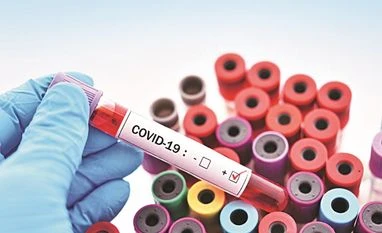 "Covid 19, Covid-19, covid")
premium
While most cases are being managed through home isolation as per national guidelines, hospitals are preparing to scale up capacity if needed, including earmarking oxygen-supported beds
4 min read Last Updated : May 23 2025 | 8:20 PM IST
Listen to This Article
Even as India witnesses a mild uptick in Covid-19 cases, private hospitals across the country are proactively stepping up their preparedness, echoing early pandemic-era caution.
As of 19 May, India reported 257 active Covid-19 cases — an increase of 164 cases in just one week — prompting hospitals to ramp up surveillance and reintroduce precautionary protocols.
Though the Centre has not issued any fresh guidelines, the Union Health Ministry is closely monitoring the situation and maintains that it remains under control. Most cases are mild and do not require hospitalisation. Nevertheless, several hospitals have initiated pre-emptive measures to ensure readiness in the event of a localised surge.
“At Calcutta Medical Research Institute (CMRI), we have started marking oxygen-supported beds, ensured stock checks on critical supplies like personal protective equipment (PPE) kits, oxygen cylinders, and antiviral drugs, and strengthened COVID screening protocols in our emergency and OPD departments,” said Arup Halder, pulmonologist at CMRI – CK Birla Hospitals, Kolkata.
The hospital is also advising patients with mild flu-like symptoms to remain at home and monitor oxygen levels, seeking consultation only if symptoms worsen. “Booster vaccinations are being recommended for high-risk groups, particularly the elderly and immunocompromised,” Halder added. He noted that the currently circulating variants — JN.1 and its sub-lineages LF.7 and NB1.8 — are highly transmissible but not more severe than earlier strains.
In Pune, Ruby Hall Clinic is maintaining a similar level of preparedness. “We have not witnessed a significant surge within the hospital, but we are in a state of readiness,” said Prasad Muglikar, medical director of the hospital. “We currently have 10–12 dedicated isolation beds and adequate testing facilities.”
Tarang Gianchandani, Group CEO – Healthcare Initiatives and Chief Executive Officer of Sir H. N. Reliance Foundation Hospital, said, “We have acted on our policies, such as reinforcing hand hygiene, infection control protocols, and staff quarantine measures. From an infrastructure point of view, we have developed more negative-pressure isolation beds and will act further if the situation demands.”
“However, as of now, this strain appears more manageable, and we are not seeing complications arising from it,” Gianchandani added.
While most cases are being managed through home isolation as per national guidelines, hospitals are preparing to scale up capacity if needed, including earmarking oxygen-supported beds.
Maharashtra’s Public Health Department confirmed it is testing patients presenting with influenza-like illness (ILI) and severe acute respiratory infection (SARI) symptoms for Covid-19. Between January and 22 May, 6,477 tests were conducted across the state, with 165 testing positive. Of these, 142 cases were reported in Mumbai in May alone.
As of 22 May, the state had 33 active cases, most of which were mild. Two patients with comorbidities — one with nephrotic syndrome and another with kidney disease — have been reported since January.
“The public is urged not to panic. All diagnosed cases are mild, and testing and treatment are available through public health facilities,” the department said in a statement.
Kerala, in line with its proactive track record, has issued updated guidelines urging mask usage among vulnerable populations and has reactivated its rapid response teams. The state reported 182 cases so far in May. As of 19 May, Tamil Nadu recorded 34 new cases, bringing its total to 66, while Karnataka reported eight new cases, with the total reaching 13.
The World Health Organization has not issued any fresh advisory, even as the new Omicron sub-variants spread across parts of Asia, including Hong Kong, Singapore and Thailand. Indian state health departments continue to test nearly all patients with ILI or SARI symptoms, focusing on early detection and containment.
While the numbers remain low and most cases are mild, the recent uptick has prompted private hospitals across India to act with foresight — stocking up on essentials, reinforcing isolation protocols, and issuing advisories to high-risk groups. For now, the situation remains under control.
Topics : Coronavirus News healthcare Private hospitals