


Unmasking HPV: The silent virus that's pushing India's new vaccine drive
Millions carry HPV without symptoms, yet its long-term impact can be devastating. India's vaccine rollout marks a pivotal shift towards understanding and preventing this silent driver of cancer
 "HPV vaccine India")
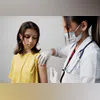
HPV (human papillomavirus) vaccination can significantly reduce the risk of cervical and other HPV-related cancers. (Photo: Freepik)


Listen to This Article
India is officially gearing up for one of its most decisive battles against cervical cancer. With the national HPV (human papillomavirus) vaccination campaign set to go live tomorrow, the government is placing a powerful, free shield in the public's hands. This is not merely the introduction of another vaccine into the immunisation schedule, but a coordinated and large-scale effort to curb a virus responsible for the majority of cervical cancer cases and several other malignancies in both women and men.
Health experts are calling this a definitive turning point, marking the moment India transforms from a nation managing cancer to one systematically eradicating it.
What is HPV?
HPV is not a single virus but a group of more than 200 related viruses, and at least 14 of them are considered high risk because they can cause cancer.
Dr Sunny Jain, Senior Consultant and HOD, Medical Oncology, Accord Super Speciality Hospital, Faridabad NCR, explains, “HPV is often called a ‘silent’ infection because the majority of infected individuals have no symptoms and clear the virus naturally without ever knowing they were infected.”
However, in a small but significant number of people, persistent infection with high-risk types can slowly progress to precancer and eventually cancer over 10 to 20 years.
Also Read

 "Mark Carney, Canada")
 "UK visa")
 "Fixed Deposits")
 "Piyush Goyal")
 "petrol pump, petrol")
Experts share that most sexually active individuals will acquire HPV at some point in their lives. In India, the burden is particularly high because HPV is responsible for nearly all cervical cancer cases.
GLOBOCAN 2022 estimates that India reports over 1.2 lakh new cervical cancer cases every year, and cervical cancer remains the second most common cancer among Indian women.
How does HPV spread and who is at risk?
HPV spreads primarily through intimate skin-to-skin contact, and it does not require penetrative sex for transmission. This means both girls and boys can acquire and spread the virus even without symptoms.
Dr Darshana Rane, Consultant Medical Oncology, HCG Cancer Centre, Borivali, says, “HPV is transmitted through skin-to-skin contact, not just sexual intercourse. Boys and men can contract HPV without showing any symptoms, unknowingly transmit the virus to their partners, and later develop HPV related cancers.”
While HPV can affect anyone who is sexually active, some individuals face a higher risk of infection. These include:
- Sexually active adolescents and young adults
- Individuals with multiple sexual partners
- People who do not use barrier protection consistently
- Those who begin sexual activity at an early age
- Individuals with weakened immune systems, including people living with HIV
- Unvaccinated boys and girls
- Women who do not undergo regular screening
Vaccinating only girls addresses cervical cancer, but vaccinating boys as well reduces overall virus circulation and strengthens community protection, shares Dr Rane.
Cancers and diseases linked to HPV
Persistent infection with high-risk HPV types is linked to multiple cancers. These include:
- Cervical cancer
- Anal cancer
- Penile cancer
- Vaginal and vulvar cancers
- Oropharyngeal or throat cancers
"Globally, HPV types 16 and 18 together account for approximately 70 per cent of cervical cancer cases, according to WHO and IARC data, with HPV 16 also strongly associated with oropharyngeal cancers," informs Dr Jain. Low-risk types 6 and 11 do not cause cancer but are responsible for most genital warts.
How the HPV vaccine works
The HPV vaccine does not contain live virus. Instead, it uses virus-like particles that mimic the outer protein of HPV, which helps the immune system recognise and fight the real virus in the future.
Dr Rane says, “The HPV vaccine is highly effective and can prevent up to 90 per cent of cervical cancer cases when vaccinated at the recommended age.”
Importantly, the vaccine prevents infection but does not treat existing HPV infection. Therefore, early vaccination before exposure offers the strongest protection.
Which vaccine is the government giving?
The nationwide HPV vaccination campaign is set to be launched tomorrow, on February 28. Under the national campaign, the government will provide Gardasil free of cost to the target population. Gardasil is a quadrivalent vaccine that protects against HPV types 6, 11, 16 and 18.
The vaccination under the national programme will be voluntary and free of cost. However, prices across private hospitals may vary depending on the hospital and city.
In the private market, Gardasil 9 is also available which covers nine high-risk types - 6, 11, 16, 18, 31, 33, 45, 52 and 58.
Serum Institute of India also manufactures CERVAVAC, a quadrivalent vaccine covering types 6, 11, 16 and 18.
- CERVAVAC: ₹1,400–1,600 per dose
- Gardasil 4: ₹3,000–3,500 per dose
- Gardasil 9: ₹8,000–10,000 per dose
Age limit and dosing
The recommended age for routine HPV vaccination is 9 to 14 years, as this group mounts a stronger immune response and is likely to be vaccinated before exposure.
- Ages 9–14 years: Two doses
- Ages 15–26 years: Three doses
While some approvals extend vaccination up to 45 years after medical consultation, protection is highest when given before any exposure to HPV.
From awareness to action: India’s HPV Drive
Dr Dharminder Nagar, MD of Paras Health and Co-Chair of the FICCI Healthcare Committee, calls the move transformative. “India’s decision to introduce free HPV vaccination for adolescent girls marks a transformative step in the fight against cervical cancer. By vaccinating girls early, before exposure to HPV, we have the opportunity to significantly reduce future cancer incidence and save thousands of lives.”
He adds that cervical cancer is one of the few cancers that can be largely prevented through timely vaccination and regular screening, and this programme shifts the focus from treatment to prevention.
If implemented effectively and expanded to include both girls and boys in the long term, experts believe India could dramatically reduce HPV circulation and prevent thousands of future cancer cases.
The message from experts is clear and consistent - vaccinate early, vaccinate widely, and treat HPV vaccination as a long-term cancer prevention strategy.
For more health updates, follow #HealthwithBS
This report is for informational purposes only and is not a substitute for professional medical advice.
More From This Section
 "daily exercise")
 "Self-care myths")
 "Protein myths")
 "career breaks for mental health")
 "Narendra Modi")
Don't miss the most important news and views of the day. Get them on our Telegram channel
First Published: Feb 27 2026 | 4:15 PM IST