


Govt may offer spare e-buses under PM E-DRIVE for religious tourism
This consideration follows the allocation of 10,900 e-buses to five cities: Delhi, Bengaluru, Hyderabad, Ahmedabad, and Surat
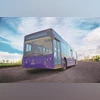 "Electric buses, e-buses, e-bus, JBM Auto")
premium
Pune has expressed a need for 1,000 e-buses, but demand has yet to be received from Chennai, Kolkata, and Mumbai.
4 min read Last Updated : May 25 2025 | 11:53 PM IST
Listen to This Article
The Ministry of Heavy Industries (MHI) is considering allocating the remaining 3,128 electric buses (e-buses) under the PM Electric Drive Revolution in Innovative Vehicle Enhancement (PM E-DRIVE) scheme for interstate routes, pilgrimage and religious tourism, hilly areas, and coastal regions, a senior official said.
Of the total 14,028, the government has already allocated 10,900 e-buses to five cities — Delhi, Bengaluru, Hyderabad, Ahmedabad, and Surat. Four cities Kolkata, Mumbai, Chennai, and Pune still remain without allocation.
“If demand from the nine cities is saturated, we will allocate e-buses for interstate routes, tourism, religious travel, hilly areas, and coastal regions. It appears that we can now allocate e-buses for these purposes since 10,900 out of 14,028 e-buses have already been allotted to five cities. Thus, we have 3,128 buses available,” the official stated.
The PM E-DRIVE scheme guidelines indicate that different procurement and operational guidelines may be adopted for e-buses in unique geographical areas, such as hilly and northeastern states, island territories, and coastal regions. These guidelines may include a non-OPEX model to facilitate e-bus penetration.
“Many states have previously requested buses for intercity transport, but we have been unable to accommodate those requests. Once this round of allocations is completed, we can consider that,” the official added.
However, the MHI has no plans for intercity travel coverage at this time, as it believes that private operators already manage e-buses efficiently on routes such as Delhi-Chandigarh, Delhi-Agra, Delhi-Jaipur, and Mumbai-Pune without the need for subsidy support and are turning a profit.
Pune has expressed a need for 1,000 e-buses, but demand has yet to be received from Chennai, Kolkata, and Mumbai.
Before proceeding with a second round of allocations, the MHI will reach out to the remaining states that were not included in the first allocation to determine if they have reassessed their needs.
Pune's request was not considered in the first tranche due to pending documentation. In the cases of Mumbai and Chennai, the central government has indicated that those cities will procure e-buses independently, with Chennai opting for a loan from the World Bank for outright purchases. In contrast, Kolkata has not approached the Centre with its requirements due to pending e-bus allocations under the FAME scheme and ongoing legal issues, which are beyond the central government's control, according to the official.
Queries sent to the secretary and spokesperson of the MHI went unanswered till the time of going to press.
It was reported last month that the Centre was planning to procure 14,028 e-buses for states in multiple tranches instead of making a single large allocation.
This procurement is part of the MHI’s plan to allocate around 40 per cent of the ₹10,900 crore PM E-DRIVE scheme budget for electric public transport in nine cities across seven states. The ministry allocated ₹4,391 crore for the purchase of 14,028 e-buses at a subsidised rate by the end of the financial year 2025-26.
E-bus sales in FY25 remained stagnant compared to the previous year due to issues with state road transport undertakings (SRTUs) and concessionaires, according to Shyamasis Das, a fellow in the Energy, Resources & Sustainability vertical at the Centre for Social and Economic Progress.
“On one hand, some SRTUs have been slow to participate in the centrally managed tender process, delaying the finalisation of procurement contracts even after bidding closed, and there have been reported cases of payment defaults that make potential bidders hesitant. On the other hand, some winning bidders—that is, concessionaires who include e-bus manufacturers—have delayed supplying the contracted number of e-buses due to supply-side and financing challenges. Some stakeholders are still grappling with these issues.” Das said, emphasising that SRTUs and concessionaires need to take proactive steps to revitalise the e-bus market.
When asked about charging infrastructure for e-buses, the official said, “Each depot typically accommodates around 100 e-buses, and Delhi, Ahmedabad, and Surat have confirmed sufficient depot capacity. Other cities are either building infrastructure or electrifying their depots.”
Hyderabad currently has a few depots, with some under construction and expected to be operational within a couple of years. In Bengaluru, although most depots are ready, some lack electrification, which the city is in the process of completing. Telangana, on the other hand, does not have the necessary infrastructure yet but is actively constructing it.
“By the time we finish rolling out e-buses, which will take between 6 to 18 months, the charging infrastructure will be ready,” the official stated, adding that even if the complete infrastructure is not in place, the initial allocations will prioritise existing depots.
Topics : Electric Vehicles automobile industry