


The ANC's choices
Sustained mismanagement cost it its majority
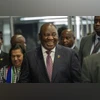 "South African President Cyril Ramaphosa leaves the National Results Operations Center following the formal announcement of the results in South Africa's general elections in Johannesburg, South Africa")
premium
South African President Cyril Ramaphosa leaves the National Results Operations Center following the formal announcement of the results in South Africa's general elections in Johannesburg, South Africa (Photo: PTI)
Listen to This Article
The end of the African National Congress’ (ANC’s) monopoly on power may be a dismaying development for South Africa’s Grand Old Party, which has led the country since the fall of the apartheid regime. But for this $400 billion economy that was once perceived to share a position in an elite grouping of developing economies — Brics or Brazil, Russia, China, India, and South Africa — 30 years of dominance has proven a liability for the country’s 60 million people. Having performed well for the first decade after 1994, when the charismatic Nelson Mandela was elected the country’s first black President, economic growth has been anaemic, falling to 0.6 per cent in 2023 from 1.9 per cent in 2022. Per capita income has stagnated, and unemployment at 33 per cent is among the highest in the world. According to the World Bank, 55.5 per cent of the population live in poverty and, ironically, the country is one of the most unequal in the world.