Post coronavirus lockdown, likely surge in demand may be led by SCVs & LCVs

The development comes amid the current crisis, which has been described as the worst in a century
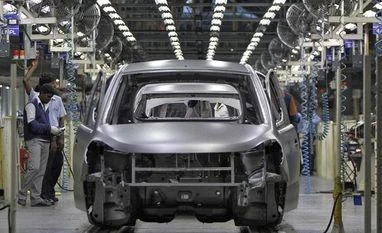
auto components
New commercial vehicle wholesale sales in March dropped by 88 per cent, according to the Society of Indian Automobile Manufacturers.
T E Narasimhan Chennai
3 min read Last Updated : Apr 17 2020 | 8:18 PM IST
After the lockdown lull, used commercial vehicle (CV) sales are set to bounce back, led by small commercial vehicles (SCVs) and light commercial vehicles (LCVs), while medium and heavy commercial vehicles (M&HCVs) may take time to see traction.

This comes against the backdrop of the rural economy opening up and demand for movement of essential commodities increasing, which are pushing up freight rates. According to industry representatives, demand is set to come mainly from owner-cum-drivers.

The development comes amid the current crisis, which has been described as the worst in a century. Reports said over half of the 35 lakh drivers of trucks carrying “non-essential” goods are stranded on highways due to the lockdown.

New commercial vehicle wholesale sales in March dropped by 88 per cent, according to the Society of Indian Automobile Manufacturers (SIAM). Reasons include, slowing economic growth, current overcapacity in the CV ecosystem and not so benign financing environment, along with the coronavirus outbreak. 

Demand headwinds are expected to continue over the near term, given the macroeconomic challenges in view of the recent pandemic coupled with weakening financial profile of fleet operators and significant price hikes because of transition to BS-VI emission norms, says ICRA.

As far as used vehicles are concerned, lockdown sales are almost nil because people could not move out.

Sameer Malhotra, chief executive officer (CEO) at Shriram Automall India, which claims over 50 per cent market share in the organised used CV sales, said ever since the lockdown, sales have dropped by nearly 90 per cent. 

Used CV sales in a month would be around 30,000-35,000 for the industry. The big challenge was that the RTO service had come to a halt along with finance and delivery. Also, people were not able to move out.

After introducing digital bidding, the company's sales increased to 8,000-9,000 a month and they are led by SCVs and LCVs, which are upto 10 tonne.

Malhotra said demand is driven by the rural economy, movement of essential commodities and the Ministry of Home Affairs (MHA) guidelines, which allowed a portion of manufacturing activities to resume from April 20. He expects that the industry will do around 25,000-30,000 units from July and by the end of the year it will surpass last year's number, which was around 30,000-35,000 units a month.

The company has started discussing with RTOs and state governments for faster registration, innovative delivery processes, various digital payment options, new digital bidding processes, financing options and new rural and green districts customer reach programmes, among others.

Umesh Revankar, managing director (MD) & CEO, Shriram Transport Finance, said due to driver shortage, demand for individual operators has increased. This led to increase in freight rates also.

Quoting reports, he said, the FMCG sector is giving 25 per cent more freight to improve supply chain, while for perishables movement, the freight rate increased by nearly 50 per cent.

At present, used vehicle owners have got an edge and they will continue to have it till the drivers come back, which will take a few months.

Shamsher Dewan, vice-president, ICRA, said the used truck segment is equally impacted because of the economic slowdown and the resultant capacity surplus in the CV fleet.

However, there has been some shift in favour of used trucks because of the sharp rise in prices of new trucks over the past two years. This has supported prices of used vehicles to an extent. Additionally, the viability of used vehicles remains better compared to new vehicles because of the low cost of ownership.

One subscription. Two world-class reads.

Already subscribed? Log in

Subscribe to read the full story →
*Subscribe to Business Standard digital and get complimentary access to The New York Times

Smart Quarterly

₹900

3 Months

₹300/Month

SAVE 25%

Smart Essential

₹2,700

1 Year

₹225/Month

SAVE 46%
*Complimentary New York Times access for the 2nd year will be given after 12 months

Super Saver

₹3,900

2 Years

₹162/Month

Subscribe

Renews automatically, cancel anytime

Here’s what’s included in our digital subscription plans

Exclusive premium stories online

  • Over 30 premium stories daily, handpicked by our editors

Complimentary Access to The New York Times

  • News, Games, Cooking, Audio, Wirecutter & The Athletic

Business Standard Epaper

  • Digital replica of our daily newspaper — with options to read, save, and share

Curated Newsletters

  • Insights on markets, finance, politics, tech, and more delivered to your inbox

Market Analysis & Investment Insights

  • In-depth market analysis & insights with access to The Smart Investor

Archives

  • Repository of articles and publications dating back to 1997

Ad-free Reading

  • Uninterrupted reading experience with no advertisements

Seamless Access Across All Devices

  • Access Business Standard across devices — mobile, tablet, or PC, via web or app

Topics :CoronavirusLockdowncommercial vehiclePassenger Vehicles

Next Story



