It’s the sulphur content that differentiates BS-IV fuel from BS-VI. While BS-IV contains 50 parts per million (ppm) sulphur, the BS-VI grade fuel only has 10 ppm sulphur.
Even as most automakers are confident of meeting the deadline, they are wary regarding availability of BS-VI fuel across the country. And their fears are not unfounded. An official at the ministry of petroleum and natural gas said while Delhi and some pockets in the National Capital Region (NCR) have been selling the BS-VI fuel since April 1, 2018, the requisite grade of fuel will be available across the country only from April 1, 2020. “There have been no further developments. There is no plan as of now to make it available elsewhere before the deadline,” he said.
“This is precisely why the industry wanted a three-month window,” said KK Gandhi, former executive director (technical) with auto industry body, Society of Indian Automobile Manufacturers (Siam). If the industry produces BS-VI vehicles before April 1, 2020, and they run on BS-IV fuel, there is a likelihood of deterioration in the ‘after-treatment system’ of the vehicle, said Gandhi.
“There has to be a pipeline of BS-VI fuel from the factory to the warehouses to the dealer network. So, it takes time. But now that the Supreme Court has given its verdict, the industry will have no choice but to take a calculated risk,” he said. Depending on the vehicle type, companies will have to advance production by three to six months, said top officials at auto companies. “While the industry will honour the verdict, the stopping of sales and registration of BS-IV vehicles from April 1, 2020, translates into a much earlier timeline for the start of manufacturing of BS-VI products,” said Rajan Wadhera, president (automotive sector) at Mahindra and Mahindra.
ALSO READ: Retail lenders, automobiles and consumer durable outpace FMCG in Q1 Given the shorter time for testing and validation of the BS-VI technology in Indian operating conditions, the order has brought additional pressure, said Wadhera. “We would, therefore, request the concerned companies to take necessary steps and ensure that BS-VI fuel is available throughout the country much in advance,” he said. Mahindra will have to advance start of production for BS-VI models by two to three months, he said.
Others echoed similar sentiments. “This effectively means that BS-VI will be applicable by January 1 and not April 1. As it is, the pressure is very high. It will only mount further,” said Vinod Aggarwal, managing director and chief executive at Volvo Eicher Commercial Vehicles (VECV). Companies will have to produce only what they can sell before March.
“We’ll have to gear up three months in advance,” he added. “They will all start selling BS-VI models by the last quarter of 2018-19 as they are better planned. There is lot of pressure in meeting the deadline,” said an official of an engine parts maker. Environmentalists lauded the apex court order.
Anumita Roychowdhury, executive director, research and advocacy at the Centre for Science and Environment (CSE), said, “The SC this time has given a very clear message that you have to do it all in one go. When you buy a vehicle, it stays on the road for the next 10 to 15 years. The more you allow the sale of vehicles with older emission technologies, the more you delay the process. So, you are allowing more pollution.”
Race against time

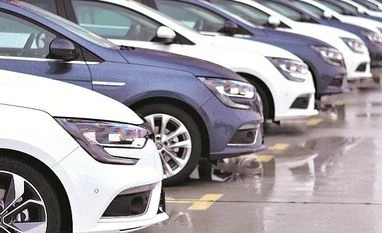 "SC impact: Auto firms shift to top gear for rolling out BS-VI vehicles")












